Kleam Clinic Myeongdong · Non-Surgical Lifting, Lasers & Skin Boosters in Central Seoul
Clinical Guide
Ultherapy vs. Surgery: Comparing Relief Duration and Recovery Time in Korea
The demand for facial rejuvenation in South Korea has seen a significant shift toward non-invasive alternatives. According to recent Korean aesthetic market reports, the non-surgical lifting market has grown at a CAGR...
Schedule a ConsultationThe demand for facial rejuvenation in South Korea has seen a significant shift toward non-invasive alternatives. According to recent Korean aesthetic market reports, the non-surgical lifting market has grown at a CAGR of approximately 12.5%, as patients increasingly prioritize "one-day" treatments over traditional surgical intervention. For many Koreans and international patients visiting **Kleam Clinic Myeongdong **, the decision often hinges on a critical comparison: the immediate, dramatic results of a surgical facelift versus the regenerative, gradual tightening provided by ** Ultherapy**.
While a traditional facelift remains the gold standard for severe skin laxity, nationwide surveys of Korean aesthetic patients indicate that over 65% of individuals aged 30–60 prefer treatments that allow for an immediate return to social life. This article explores the data-driven differences between Ultherapy and surgical lifting to help patients determine which pathway aligns with their lifestyle and long-term anti-aging goals.
Ultherapy in Korea: Benefits, Risks, and Ideal Candidates
What is Ultherapy and how does it work?
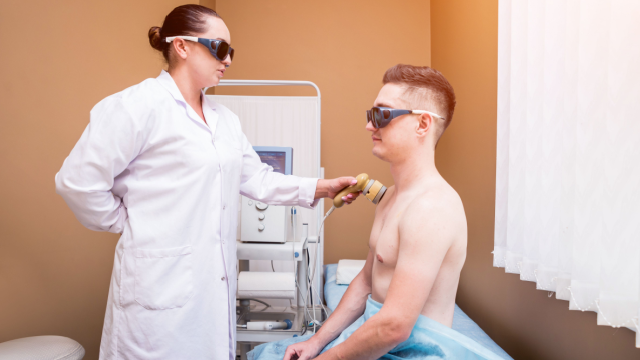
Ultherapy is a high-intensity focused ultrasound (HIFU) treatment that targets the SMAS (Superficial Musculoaponeurotic System) layer—the same deep tissue layer addressed during a surgical facelift. Unlike surgery, it uses micro-focused ultrasound energy to create thermal coagulation points, triggering the body’s natural regenerative response to produce fresh collagen and elastin.
Why choose Ultherapy at Kleam Clinic Myeongdong?
- Precision Imaging: Doctors use real-time ultrasound visualization to see the layers of tissue they are treating, ensuring energy is delivered exactly where it is needed.
- Zero Incisions: There are no scars, sutures, or risks associated with general anesthesia.
- Natural Progression: Results appear gradually over 2–6 months, avoiding the "pulled" or "operated-on" look.
Face Lifting Treatment Costs and Outcomes in Korea
Standard approaches to facial aging in Korea vary widely in terms of invasiveness and financial commitment. Below are the common benchmarks observed in the local market:
- Thread Lifting: A middle-ground option using dissolvable sutures.
- Pros: Immediate lift, relatively low cost.
- Cons: Temporary (6–12 months), potential for dimpling or asymmetry.
- Surgical Facelift (Rhytidectomy): The traditional invasive approach.
- Pros: Permanent removal of excess skin, dramatic change.
- Cons: High cost (often 3–5x more than Ultherapy), 2–4 weeks of downtime, surgical risks.
- Non-Invasive Energy Devices (Ultherapy/Thermage):
- Pros: No downtime, biological tissue remodeling, high safety profile.
- Cons: Requires maintenance every 12–18 months, not suitable for extreme skin sagging.
| Feature | Surgical Facelift | Ultherapy (Regenerative Lifting) |
|---|---|---|
| Anesthesia | General or Deep Sedation | Topical or Local Cooling |
| Downtime | 14–21 Days | 0 Days (Immediate return to work) |
| Procedure Time | 3–5 Hours | 60–90 Minutes |
| Duration of Effect | 7–10 Years | 12–18 Months (Cumulative) |
| Scarring | Permanent (In hairline/ears) | None |
| Estimated Cost | ₩8,000,000 - ₩15,000,000+ | ₩2,000,000 - ₩4,000,000 |
Why Ultherapy is the Leading Regenerative Lifting Approach
The core innovation of Ultherapy lies in its ability to act as a regenerative skin therapy. Rather than simply stretching the skin, it "reboots" the skin’s internal repair mechanism.
Is Ultherapy in Korea worth the cost?
Q: How does the value of Ultherapy compare to other treatments?
A: While the upfront cost is higher than basic lasers, Ultherapy is highly cost-effective because it targets the deep SMAS layer, which cheaper devices cannot reach. By stimulating internal collagen growth, it reduces the long-term need for frequent filler injections or more invasive corrective surgeries.
How it reduces long-term dependence on surgery
By starting Ultherapy treatments in the late 30s or 40s, patients can effectively "bank" collagen. This preventative approach maintains skin elasticity over time, potentially delaying the need for a surgical facelift by a decade or more. At Kleam Clinic Myeongdong, this is often referred to as a "pro-aging" strategy—maintaining one's natural features through tech-driven precision.
Local Korea Insights: Why "One-Day" Lifting is Trending
Korean patients are known for demanding high-precision results with minimal disruption to their professional lives. The "Pali-Pali" (hurry-hurry) culture extends to aesthetic medicine, where the No-Downtime Guarantee of Ultherapy aligns perfectly with the lifestyle of Seoul's working professionals.
Furthermore, Korea’s regulatory environment and the Special Act on Regenerative Medicine have fostered an ecosystem where high-tech energy devices are rigorously tested and frequently updated. This ensures that clinics in Myeongdong are often utilizing the latest software versions and transducers, providing higher comfort levels than those found in many other global markets.
Where Kleam Clinic Myeongdong Fits in Ultherapy Care in Korea
Kleam Clinic Myeongdong specializes in customized facial contouring through a multidisciplinary lens. While many clinics offer a "one-size-fits-all" shot count, Kleam Clinic focuses on:
- Personalized "Lifting Design": Our board-certified dermatologists analyze facial fat distribution to prevent the "sunken cheek" side effect sometimes seen with improper HIFU application.
- Hybrid Protocols: We often combine Ultherapy with other regenerative treatments like Juvelook or skin boosters to address both deep structural sagging and surface texture simultaneously.
- **Expert Credentials: ** With years of experience in the Myeongdong medical district, our lead doctors are recognized for their precision in SMAS-layer targeting, ensuring that every ultrasound line is delivered to the optimal depth.
The role of our clinicians is to provide a balanced assessment; if a patient has extreme skin redundancy that only surgery can fix, we provide honest referrals. However, for the vast majority seeking a tech-driven, non-surgical alternative, our Ultherapy protocols offer a sophisticated solution.
Conclusion
With approximately 20% of the Korean population engaging in some form of aesthetic care, the shift toward Ultherapy highlights a preference for safety, biological regeneration, and convenience. While traditional surgery offers longevity, the significant downtime and cost remain major barriers. Modern Ultherapy provides an evidence-based pathway to lifting that fits into a lunch break.
Patients considering Ultherapy in Korea can schedule a consultation at Kleam Clinic Myeongdong to discuss whether this regenerative lifting approach is suitable for their specific skin elasticity and aesthetic goals.
More Articles
Continue reading expert dermatology insights from Kleam Clinic Myeongdong.

Seoul Medical Tourism: Why Thermage FLX 4.0 Leads the Lifting Niche
Driven by a culture of precision and a "high-tech" approach to aging, South Korea has emerged as a global leader in non-surgical rejuvenation. A recent market report indicates that the South Korean medical tourism...
Learn More

Titanium Lifting Efficacy: 85% Skin Tightening in Korean Studies
The demand for non-invasive aesthetic procedures in South Korea has seen exponential growth, driven by a patient demographic that prioritizes immediate visibility, safety, and zero downtime. According to a Korean...
Learn More
Laser Toning for Skin: Complete 2026 Guide
Discover laser toning for skin in this complete 2026 guide. Learn benefits, costs, results, and how it treats pigmentation, melasma, and uneven skin tone safely.
Learn More