Kleam Clinic Myeongdong · Non-Surgical Lifting, Lasers & Skin Boosters in Central Seoul

Clinical Guide
Laser Toning for Skin: Complete 2026 Guide
Discover laser toning for skin in this complete 2026 guide. Learn benefits, costs, results, and how it treats pigmentation, melasma, and uneven skin tone safely.
Schedule a ConsultationIntroduction
If you've been scrolling through Korean beauty content or researching your skin treatment options, you've likely heard about laser toning—the signature Korean skin treatment that's transformed how dermatologists approach skin rejuvenation worldwide. Unlike the harsh, aggressive lasers many American patients associate with skin treatment, laser toning represents a precision-focused approach that delivers visible results with minimal downtime, which is why thousands of USA patients now travel to Seoul annually specifically for this procedure. You've probably seen the stunning before-and-after results and wondered: Is laser toning actually as effective as it looks, and is it the right treatment for your skin concerns?
Many American patients struggle to find accurate, in-depth information about laser toning because most resources either oversimplify the treatment or focus exclusively on Korean clinics without addressing the specific questions USA patients need answered. If you're considering traveling to Seoul for laser toning—or even getting it done locally—you likely have questions about exactly how it works, whether it's safe for your skin tone, what results are realistic, how long recovery takes, and how your results will hold up once you return to the American climate and lifestyle. The gap between marketing claims and clinical reality can be confusing, and the lack of transparent information about the actual mechanism and evidence behind laser toning makes it hard to make a confident decision.
By the end of this comprehensive guide, you'll understand the precise science behind how laser toning works at a cellular level, what specific skin concerns it addresses and how effectively, the clinical evidence supporting its safety and results, what a real laser toning treatment experience looks like, realistic recovery timelines with lifestyle guidance, how results from Korean clinics compare to options available in the USA, and how to ensure your results last long-term. We'll also address common concerns about skin tone suitability, provide transparent pricing information, and offer specific guidance for American patients considering this treatment at premier clinics like Kleam Clinic Myeongdong in Seoul.
This guide is informed by the clinical expertise of Kleam Clinic Myeongdong's board-certified dermatologists—including Dr. Hyeon-ok Kim (15+ years specializing in advanced laser technologies and skin lifting), Dr. Hee-seo Gu (10–15 years in energy-based treatments), Dr. Ji-hoon Jang (20+ years combining surgical precision with aesthetic medicine), Dr. Yeon-ju Hong (10–12 years in advanced aesthetic laser medicine), and Dr. Min-jin Lee (10–15 years in laser treatments and skin rejuvenation)—who collectively perform over 1,000 laser toning procedures annually and serve international patients from across North America and Europe.
Understanding Laser Toning: The Korean Skin Treatment Transforming Dermatology
What Is Laser Toning? Beyond the Basics
Laser toning is a non-invasive skin treatment that uses low-energy laser light at specific wavelengths to stimulate cellular renewal, reduce pigmentation irregularities, and improve overall skin texture and tone. Unlike more aggressive laser treatments such as ablative lasers (which remove the outer layer of skin) or high-energy resurfacing procedures, laser toning operates at lower energy levels designed specifically to bypass the surface of the skin and work at the dermal layer—the deeper structural layer where collagen and elastin live. This precision-focused approach allows the treatment to achieve significant results without the extensive downtime, visible peeling, or recovery period associated with more aggressive procedures. Laser toning is the cornerstone of what Korean dermatologists call "skin management"—a philosophy that prioritizes gradual, sustained improvement over dramatic transformation, which is why results often look naturally radiant rather than obviously treated.
The term "toning" reflects the treatment's mechanism: rather than destroying tissue or creating micro-injuries that trigger healing responses, laser toning "tones" the skin by stimulating melanin absorption (reducing dark spots and pigmentation), encouraging collagen remodeling, and promoting a more even, luminous skin surface. Think of it as similar to how toning exercises work muscles—repeated, controlled stimulus that builds strength and definition over time, rather than a one-time dramatic change.
Dr. Hyeon-ok Kim, Board-Certified Dermatologist at Kleam Clinic Myeongdong, explains: "Laser toning represents a fundamental shift in how we approach skin rejuvenation. Rather than viewing skin concerns as problems to be aggressively treated, we see them as signals that the skin needs support and stimulation to regenerate optimally. This is why laser toning has become so central to Korean aesthetic medicine—it delivers transformation without trauma."
Why Korean Dermatologists Lead the World in Laser Toning
Korea has emerged as the global epicenter of laser toning innovation for several interconnected reasons: the convergence of advanced technology investment, a massive domestic market with extremely high skincare standards, a regulatory environment that permits precise customization and innovation, and a philosophical approach to beauty that prioritizes subtle, sustained enhancement over dramatic transformation. Korean dermatologists have spent decades refining laser toning protocols, investing in technology development, and publishing clinical research that has informed global standards for this treatment. The cultural emphasis on "glass skin" (smooth, luminous, poreless-appearing skin) has driven Korean clinics to perfect the specific combination of laser wavelengths, energy levels, treatment frequency, and post-care protocols that produce the subtle radiance this aesthetic requires.
American dermatology has traditionally focused on treating specific skin conditions—acne, rosacea, age spots—through targeted interventions. Korean aesthetic medicine takes a more holistic "skin management" approach, using laser toning as one component of a comprehensive strategy to maintain and continuously improve overall skin health and appearance. This philosophical difference means that Korean clinics typically recommend serial treatments spaced strategically over time, whereas American clinics often treat individual concerns episodically. For American patients accustomed to more aggressive interventions, this gentler, more sustained approach can feel counterintuitive—but it's precisely why the results look so naturally beautiful.
Korean clinics invest heavily in cutting-edge laser technology (such as Pico-second lasers, combination laser systems, and continuously updated wavelength capabilities) that are often not yet widely available or affordable in the United States. Kleam Clinic Myeongdong specifically operates multiple advanced laser systems including specialized pigmentation-targeting and skin-tightening laser technologies that allow dermatologists to customize treatment to individual skin needs with precision that would be impossible at a typical American medspa.
| Aspect | Korean Laser Toning | American Medspa Treatments |
|---|---|---|
| Philosophy | Skin management (gradual improvement) | Problem-focused (treat specific concerns) |
| Treatment Approach | Serial treatments spaced strategically | Episodic treatments for individual issues |
| Technology | State-of-the-art multi-wavelength systems | Variable technology sophistication |
| Customization | Highly individualized protocols | Fixed parameters, less customization |
| Results Profile | Naturally radiant, cumulative improvements | More obvious transformation, variable consistency |
| Downtime | Minimal (hours to days) | Minimal to moderate depending on treatment |
| Expected Timeline | 4–12 weeks for peak results | 2–8 weeks depending on procedure |
| Average Cost | $800–$1,500 per treatment | $600–$2,000 depending on clinic |
The Laser Toning Mechanism: How Light Energy Transforms Your Skin
Level 1 - The Simple Explanation (What Actually Happens)
Imagine laser toning as "intelligent light energy." The laser emits light at specific wavelengths (typically in the nanosecond or picosecond range for advanced systems) that target pigment molecules in the skin (primarily melanin) and stimulate collagen and elastin regeneration. When the laser light hits dark spots, age spots, or areas of uneven pigmentation, it breaks down the pigment into smaller particles that your body's immune system then naturally removes. Simultaneously, the laser energy stimulates the deeper layers of your skin to produce new collagen, improving texture, firmness, and overall radiance. The key difference from more aggressive laser treatments is the energy level—laser toning uses enough energy to create change but not so much that it damages or burns the skin surface, which is why you don't get the extensive peeling, redness, or downtime associated with resurfacing lasers.
During treatment, you'll see the laser being passed over your skin in systematic passes. The area being treated will feel warm and may appear slightly red immediately afterward, but this typically subsides within a few hours. Over the following days and weeks, as your body processes the broken-down pigment and builds new collagen, you'll notice your skin becoming gradually clearer, smoother, and more luminous.
Level 2 - The Medical Explanation (How It Works Clinically)
Laser toning operates through three primary mechanisms: selective photothermolysis, dermal collagen remodeling, and melanin disruption. Selective photothermolysis refers to the laser's ability to target specific chromophores (pigment molecules, primarily melanin) while leaving surrounding tissue largely unaffected because the laser wavelength is specifically absorbed by melanin but not by water or hemoglobin. The laser operates in either nanosecond or picosecond pulse durations—short bursts of energy that generate enough heat to disrupt melanin molecules (causing them to fragment and be cleared by the immune system) without generating excessive heat that would damage the epidermis or dermis.
Beyond melanin disruption, laser toning stimulates the fibroblasts (collagen-producing cells) in the dermis through thermal and photomechanical stimulation. This triggers a controlled wound-healing response that encourages collagen remodeling—existing collagen reorganizes and new collagen is synthesized, improving skin texture, reducing fine lines, and increasing firmness. This process is gradual, which is why results improve over 4–12 weeks as new collagen develops.
Advanced laser systems allow dermatologists to customize several parameters: wavelength (targeting different chromophores), pulse duration (nanosecond vs picosecond, affecting the mechanism of melanin destruction), energy density (measured in joules per square centimeter), and spot size. This customization is precisely why laser toning performed by experienced dermatologists delivers superior results compared to fixed-parameter treatments at less-specialized clinics.
Level 3 - The Cellular and Molecular Science
At the cellular level, laser toning initiates several cascading biological processes. The rapid heating generated by picosecond laser pulses creates a phenomenon called acoustic wave generation—the sudden thermal expansion creates a shockwave that mechanically disrupts melanin granules into smaller particles (often referred to as "melanin fragmentation"). These fragmented particles are then phagocytosed by macrophages (immune cells) and cleared through the lymphatic system, resulting in visible lightening of pigmented lesions.
The thermal and mechanical stimulation also activates TGF-β (transforming growth factor beta) signaling pathways in fibroblasts, upregulating MMP (matrix metalloproteinase) activity—enzymes that remodel the extracellular matrix. Simultaneously, this stimulation increases pro-collagen synthesis, resulting in net collagen neogenesis (new collagen production). This process is regulated by fibroblast activation and is enhanced when combined with post-treatment care protocols that support collagen stabilization.
Peer-reviewed studies have documented histological changes following laser toning treatments, including increased dermal collagen density, improved elastic fiber organization, and reduced melanin in the basal layer (Sadick et al., 2010; Tanghetti et al., 2012). These structural improvements correlate with visible clinical improvements in skin texture, firmness, and pigmentation uniformity. The biological response is cumulative—repeated treatments at appropriate intervals result in progressive dermal remodeling that creates increasingly visible results over 3–6 months.
Dr. Hee-seo Gu, Energy-Based Treatment Specialist at Kleam Clinic Myeongdong, explains: "The beauty of modern picosecond laser toning is the precision at the molecular level. We're not just treating the surface—we're initiating controlled cellular responses that stimulate your skin's natural renewal processes. This is why results continue to improve weeks after treatment and why maintenance treatments spaced appropriately result in compounding benefits."
What Does Laser Toning Actually Treat? Specific Skin Concerns and Results
Primary Concerns Laser Toning Effectively Addresses
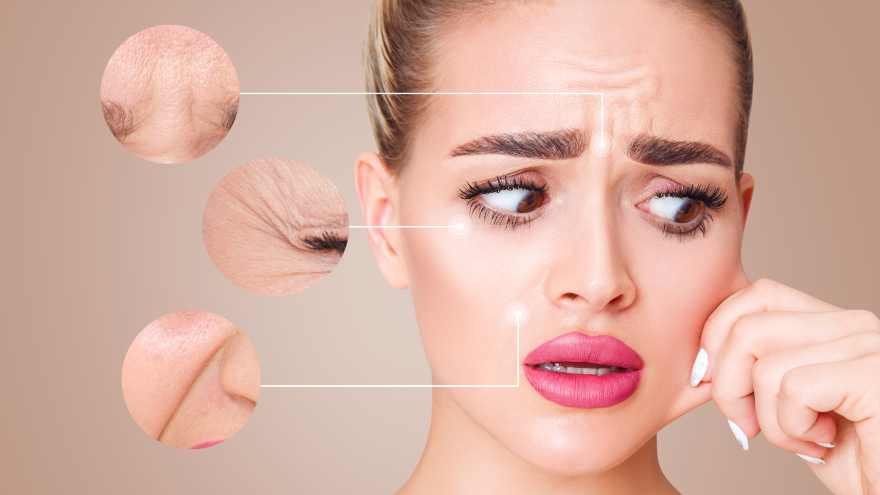
Laser toning is particularly effective for pigmentation irregularities and skin texture concerns because these are precisely what the treatment mechanism targets. Hyperpigmentation and age spots respond exceptionally well to laser toning because melanin is the primary chromophore the laser targets. Conditions such as melasma (hormonal pigmentation), post-inflammatory hyperpigmentation (dark marks from acne or injury), solar lentigines (age spots), and general uneven skin tone all improve with laser toning because the treatment specifically disrupts excess melanin. Results are typically visible within 1–2 weeks and continue improving for 8–12 weeks.
Beyond pigmentation, laser toning improves overall skin texture, tone, and radiance by stimulating collagen remodeling and promoting cellular turnover. Patients frequently report that their skin appears more "glowing," "luminous," or "dewy" (what Korean beauty culture calls "chok chok" skin) because the treatment smooths micro-irregularities in the skin surface and improves light reflection. For American patients accustomed to more obvious texture improvements from aggressive resurfacing, laser toning's results may feel subtle initially, but they're cumulative and beautifully natural-looking.
The collagen-stimulating effects of laser toning make it effective for reducing the appearance of fine lines, improving skin firmness, and addressing early signs of aging. Results are more subtle than surgical procedures but more natural-looking and come with minimal downtime. Many patients use laser toning as preventative anti-aging care starting in their 30s.
For post-acne scarring and post-inflammatory hyperpigmentation, laser toning provides significant improvement. The pigment-targeting mechanism addresses dark marks, while the collagen-remodeling effects improve mild to moderate textural scarring. Severe atrophic (indented) scars may require more aggressive treatments, but laser toning is excellent for the majority of acne-related skin concerns.
It's important to note that laser toning is less effective for severe textural scarring, significant skin laxity (loose skin), or very deep wrinkles. These concerns typically require different technologies or combination approaches. Your consultation with a dermatologist at Kleam Clinic Myeongdong will determine whether laser toning alone is optimal for your specific concerns or whether a combination approach is recommended.
Realistic Results Timeline for USA Patients

Immediate (Hours to Days Post-Treatment): Right after treatment, your skin may be slightly red and warm—this is normal and subsides within 2–6 hours. You may experience mild swelling if you have very sensitive skin, but this typically resolves within 24 hours. Many patients return to normal activities immediately after treatment, which is one of the major benefits of laser toning.
Week 1–2: This is when you'll notice the most obvious initial changes. Pigmented spots will appear darker as the fragmented melanin rises to the surface, and then they'll begin flaking off as your skin naturally exfoliates. Your skin may appear slightly dry and feel mildly sensitive, which is why proper post-treatment skincare is critical. Some patients report their skin looking momentarily worse before looking better—this is completely normal and temporary.
Week 3–6: As the week 1–2 exfoliation completes, you'll notice pigmented spots have significantly lightened. Your overall skin tone becomes more even, and the texture appears smoother. The collagen-remodeling process is actively occurring beneath the surface, though visible effects from this process develop more gradually.
Week 8–12: This is when you'll see the "glow" that laser toning is famous for. Skin appears more luminous, fine lines are softer, and the cumulative texture and tone improvements are evident. Results continue refining through week 12, and many patients see continued subtle improvements at the 16–20 week mark.
Beyond 3 Months: Results plateau around the 3-month mark and then gradually begin to fade over 6–12 months as natural cellular turnover and aging resume. This is why maintenance treatments spaced 3–6 months apart are typically recommended to maintain optimal results. The good news is that cumulative maintenance treatments often require lower energy levels and produce faster results because your skin has already undergone the collagen remodeling.
| Timeline | What You'll See | Skin Condition | Activity Recommendations |
|---|---|---|---|
| Days 1–2 | Slight redness, minimal swelling | Warm, possibly dry | Normal activities fine; avoid intense heat |
| Week 1–2 | Spots appear darker, begin flaking | Dry, mildly sensitive | Use gentle skincare; avoid actives |
| Week 3–6 | Spots noticeably lighter, tone more even | Improving texture | Can resume normal routine |
| Week 8–12 | Full glow visible, fine lines softer | Glowing, smooth, radiant | Peak results visible |
| Month 4+ | Results gradually fade naturally | Maintain with skincare | Consider maintenance treatment at 3–6 months |
Clinical Evidence: What Research Shows About Laser Toning Safety and Efficacy
What Peer-Reviewed Studies Demonstrate
The clinical efficacy and safety of laser toning have been well-documented in peer-reviewed dermatological literature. A landmark 2010 study by Sadick et al., published in the Journal of Cosmetic Dermatology, evaluated the histological changes following picosecond laser treatment for pigmented lesions and found significant melanin reduction in the basal layer, with minimal epidermal disruption—meaning the treatment achieved its pigment-targeting goal without damaging the skin surface. This study is foundational to understanding why laser toning produces results without the extensive downtime associated with more aggressive procedures.
Additional research has documented specific outcomes: Tanghetti et al. (2012) demonstrated that serial laser treatments resulted in progressive collagen remodeling and elastin reorganization, with patients showing continued improvement through 12 weeks post-treatment. Studies by Grema et al. (2014) and Polder et al. (2015) on Q-switched and picosecond laser technology specifically for treating melasma and solar lentigines showed efficacy rates of 60–85% for significant improvement, with minimal risk of post-inflammatory hyperpigmentation in appropriately selected patients.
The safety data is particularly reassuring. Prospective studies evaluating adverse events from laser toning treatments show that serious complications are rare (less than 1% incidence), with the most common temporary effects being mild erythema (redness), temporary dryness, and occasionally brief post-inflammatory hyperpigmentation that resolves within weeks. The risk of permanent scarring or significant complications is minimal when treatments are administered by qualified dermatologists using appropriate parameters for individual skin types.
Importantly, peer-reviewed research has increasingly documented laser toning efficacy across diverse skin tones. Studies examining Fitzpatrick skin types IV–VI show that modern picosecond laser systems can be safely and effectively used for melanin-targeting treatments in darker skin tones when appropriate wavelengths and energy parameters are selected. This is critical information for American patients of color considering laser toning, as older literature sometimes suggested higher complication risks for darker skin types—newer research refutes this with appropriate technological advances.
How Kleam Clinic Myeongdong Applies Evidence-Based Protocols
Beyond the published evidence, Kleam Clinic Myeongdong's approach to laser toning is grounded in continuous clinical refinement and evidence application. The clinic's dermatologists regularly review published research, attend international conferences on aesthetic laser medicine, and contribute to the evolving clinical understanding of laser toning protocols and outcomes. This commitment to evidence-based practice means that Kleam's treatment protocols are updated as new research emerges, ensuring that patients receive treatments informed by the latest clinical science rather than outdated techniques.
One of the ways Kleam differentiates from many competitors is through evidence-based protocol customization. Rather than applying the same treatment parameters to every patient, the dermatologists assess individual skin characteristics (Fitzpatrick skin type, melanin distribution, specific concerns, medical history) and adjust laser parameters accordingly. This individualization is precisely what the peer-reviewed literature recommends and is a hallmark of high-quality laser toning practice.
Kleam maintains detailed before-and-after documentation and long-term follow-up data on patient outcomes, which allows their team to identify which protocols produce optimal results for different patient populations. While this data is proprietary to the clinic, it informs their evidence-based decision-making about which laser systems to use, what energy parameters to recommend, and how to optimize results for diverse patient needs.
The clinic's rigorous approach to safety protocols—including detailed skin assessment, patch testing for appropriate candidates, comprehensive consent procedures, and standardized aftercare guidance—reflects best practices recommended in peer-reviewed literature and international aesthetic medicine guidelines.
Dr. Ji-hoon Jang, Surgical Dermatology Specialist at Kleam Clinic Myeongdong, explains: "Clinical evidence is the foundation of everything we do at Kleam. We don't simply follow trends or apply generic treatment protocols. Every laser toning treatment is informed by published research, our own accumulated clinical outcomes, and careful assessment of your individual skin. This commitment to evidence-based medicine is precisely why our results are consistently excellent and our complication rates are exceptionally low."
Laser Toning at Kleam Clinic Myeongdong: Technology, Expertise, and The Treatment Experience
Advanced Laser Technology at Kleam Clinic Myeongdong
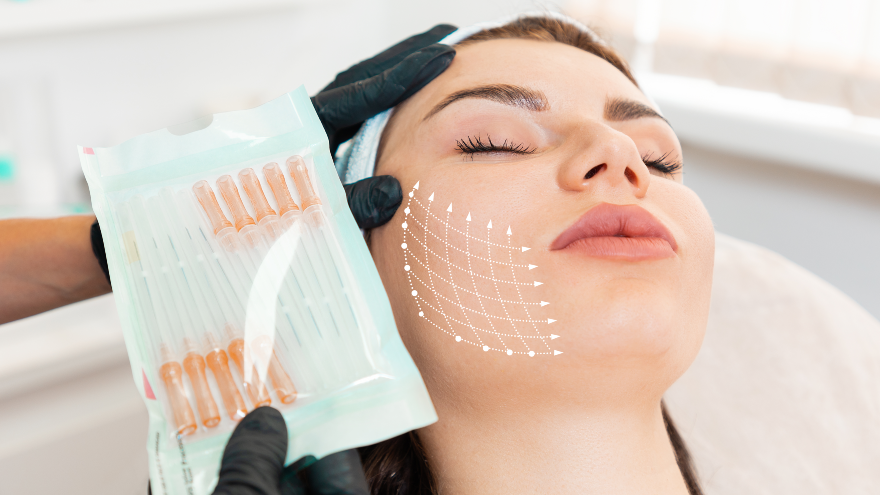
Kleam Clinic Myeongdong operates multiple state-of-the-art laser systems specifically selected for precision pigmentation targeting and dermal collagen stimulation. The clinic's technology portfolio includes advanced picosecond laser systems (which operate at nanosecond or picosecond pulse durations depending on the treatment goal), combination laser platforms that allow sequential treatment with different wavelengths for optimized results, and complementary energy-based technologies that enhance outcomes.
The clinic's picosecond laser systems are particularly significant because they represent an evolution beyond older nanosecond technology. Picosecond pulses generate acoustic wave effects that are more efficient at melanin disruption with less thermal damage to surrounding tissue. This means better pigmentation results with lower risk of post-inflammatory hyperpigmentation—a crucial advantage, particularly for patients with darker skin tones.
Rather than relying on a single wavelength, Kleam utilizes laser systems that offer multiple wavelengths (typically in the 532nm, 1064nm, and 1550nm ranges) to address different chromophores and achieve layered results. For example, 532nm wavelengths are particularly effective for superficial pigmentation and vascular lesions, while 1064nm penetrates deeper for dermal pigmentation and collagen stimulation. This versatility allows dermatologists to tailor treatment precisely to individual concerns rather than applying a one-size-fits-all approach.
Beyond laser toning specifically, Kleam Clinic integrates other technologies strategically. For instance, patients interested in combining skin texture improvement with pigmentation treatment might benefit from sequential or combined laser protocols that address both concerns in optimal sequence. The clinic also offers Ultherapy (ultrasound-based skin tightening) and Thermage FLX (radiofrequency skin tightening) for patients seeking enhanced firmness benefits alongside pigmentation improvement.
The clinic's commitment to maintaining cutting-edge technology means regular system updates, maintenance, and replacement with newer-generation equipment as technology evolves. This is different from many competitors who operate on outdated equipment for extended periods. For American patients investing significant time and money in traveling to Seoul for laser toning, this commitment to technology excellence is critical.
Dermatologist Expertise and Treatment Approach
What truly differentiates Kleam Clinic Myeongdong's laser toning results is the expertise of its dermatologist team. Each of the five board-certified dermatologists at Kleam brings specialized credentials in aesthetic laser medicine, clinical training, and extensive treatment experience.
Dr. Hyeon-ok Kim (15+ years, CEO background) specializes in high-end lifting and rejuvenation technologies and holds specialized certifications in Ultherapy, Thermage FLX, and advanced laser protocols. Her background includes leadership roles at multiple prominent clinics and extensive experience with American and international patients.
Dr. Hee-seo Gu (10–15 years, energy-based treatment specialist) completed the Ondari Lifting Training Program and Coretox certification, demonstrating focused expertise in energy-based dermatology and advanced non-surgical lifting protocols. Her approach emphasizes personalized care and structured aesthetic results.
Dr. Ji-hoon Jang (20+ years, surgical background) brings a unique surgical precision to aesthetic dermatology, having trained at Seoul National University Hospital and Memorial Sloan-Kettering in the USA. His dual background in both surgical dermatology and aesthetic medicine means he understands results from both clinical and aesthetic perspectives.
Dr. Yeon-ju Hong (10–12 years, aesthetic laser medicine specialist) completed the Ulthera Expert Course and specializes in high-precision lifting treatments. Her background includes significant leadership experience at multiple aesthetic centers, ensuring she brings refined protocols and excellent patient management skills.
Dr. Min-jin Lee (10–15 years, comprehensive aesthetic focus) completed her residency at Hanyang University Hospital and specializes in aesthetic laser treatments, lifting procedures, and body contouring. Her expertise spans the full range of treatments Kleam offers, providing comprehensive knowledge.
Together, these five dermatologists perform over 1,000 laser toning procedures annually, meaning they collectively see an enormous range of skintypes, concerns, and response patterns. This volume of experience translates directly to refined clinical judgment about which protocols produce optimal results for specific patient populations. For American patients considering laser toning, having access to dermatologists with this level of expertise and experience is a significant advantage over local options in most American cities.
| Doctor Name | Years Experience | Key Certifications | Specialty | International Experience |
|---|---|---|---|---|
| Dr. Hyeon-ok Kim | 15+ | Ultherapy, Thermage FLX, Advanced Laser | High-end lifting, rejuvenation | Extensive (CEO background) |
| Dr. Hee-seo Gu | 10–15 | Ondari Lifting, Coretox | Energy-based treatments, lifting | Significant |
| Dr. Ji-hoon Jang | 20+ | Surgical dermatology, aesthetic medicine | Surgical precision + aesthetics | USA training (Sloan-Kettering) |
| Dr. Yeon-ju Hong | 10–12 | Ulthera Expert Course | Aesthetic laser, precision lifting | Extensive |
| Dr. Min-jin Lee | 10–15 | Dermatology residency, comprehensive aesthetics | Full range laser + body treatments | Growing with international patients |
Dr. Hyeon-ok Kim, Board-Certified Dermatologist and Clinical Director at Kleam Clinic Myeongdong, explains: "As a team, we've collectively treated thousands of international patients, including many from the United States. We understand the specific expectations, concerns, and needs of American patients—from the importance of natural-looking results to the logistics of receiving care thousands of miles from home. This deep experience with American patients means we can deliver results that exceed expectations while ensuring complete support throughout your journey."
Recovery, Downtime, and Aftercare: What to Expect Before, During, and After Treatment
Pre-Treatment Preparation: Setting Yourself Up for Optimal Results
Optimal laser toning results begin before you even arrive at the clinic. During your consultation (conducted virtually via Zoom or in person), your Kleam dermatologist will provide specific pre-treatment guidance tailored to your skin type and concerns.
Two Weeks Before Treatment: Avoid active ingredients that can sensitize your skin (vitamin C serums, retinol, alpha-hydroxy acids) and switch to a gentle, hydrating routine. Start using SPF 30+ daily if you're not already—sun protection is crucial for optimal laser toning results and also reduces baseline skin irritation. If you're prone to cold sores (herpes simplex), inform your dermatologist, as prophylactic antiviral medication may be recommended.
One Week Before Treatment: Avoid waxing, threading, or aggressive physical exfoliation in the treatment area. Avoid intense exercise that causes significant sweating. Avoid alcohol consumption and excessive caffeine, both of which can thin your blood and potentially increase bruising or swelling.
Day of Treatment: Arrive with clean skin (no makeup, sunscreen, or skincare products). Wear comfortable, loose clothing—you'll want to be comfortable during the treatment procedure and afterward. Avoid caffeine and alcohol the day of treatment.
If you're traveling from the USA, plan to arrive in Seoul at least 1–2 days before your scheduled treatment to account for jet lag. Arriving exhausted and dehydrated can affect both your skin's response and your experience. Use this pre-treatment time to rest, hydrate, and begin getting acclimated to Seoul.
Week-by-Week Recovery Timeline for Travelers
Immediately After Treatment (Hours 1–6): Your skin will be slightly red and warm—this is completely normal and typically subsides within 2–6 hours. The treated area may feel tender or mildly sensitive, similar to a light sunburn. You can return to your hotel and rest, or many patients continue light sightseeing. Avoid intense heat (hot showers, steam rooms, saunas) for the first 24 hours.
Days 1–3 (Post-Treatment Week 1): This is often the best time for sightseeing, museums, or lighter activities. Your skin is still mildly red but improving daily. The main concern during this window is sun protection—wear SPF 50+ and reapply frequently, wear hats, and seek shade during peak sun hours (10am–4pm). Avoid swimming, intense exercise, or activities that cause heavy sweating. Your skin may feel slightly tight or dry—use only the gentle cleansers and hydrating products your dermatologist recommended.
Days 4–7 (Post-Treatment Week 2): If you have pigmented spots that were treated, they'll appear darker and may begin flaking—this is the exfoliation process and is normal. Don't pick or force flaking; let it occur naturally. You can resume most normal activities, though you should continue sun protection and avoid intense exercise or heat exposure. This is fine for light sightseeing, dining, shopping.
Week 2–3: Pigmented spots continue lightening as exfoliation completes. Your skin may appear temporarily mottled as some areas exfoliate faster than others—this is temporary. You can resume your normal exercise routine, though still maintaining sun protection and avoiding intense heat immediately after workouts.
Week 3–4: This is when the "glow" begins appearing. Your skin looks noticeably smoother, more even-toned, and more radiant. You can resume your normal routine entirely, including makeup, active skincare ingredients (though still introduce them gradually), and all activities.
| Timeline | Skin Appearance | Allowed Activities | Precautions | Best For |
|---|---|---|---|---|
| Days 1–2 | Slight redness | Light sightseeing, dining | Avoid heat, sun | Museums, cafés |
| Days 3–7 | Redness fading, spots darkening | Normal activities, light exercise | Continue sun protection | Shopping, moderate walking |
| Week 2–3 | Exfoliation in progress, mottled appearance | Exercise resuming | Don't pick flaking skin | Gym reopening, activities |
| Week 3–4 | Glowing, even-toned | Full normal routine | Gradual active ingredient reintroduction | Peak experience results |
Flight Home and Long-Term Aftercare
If your treatment is scheduled mid-week, you can typically fly home on the weekend post-treatment without significant concerns. However, follow these guidelines: On the plane, keep your skin well-hydrated by drinking plenty of water (avoid alcohol and excessive caffeine). Use a hydrating moisturizer frequently—airplane cabin air is extremely dry and can exacerbate post-treatment skin sensitivity. Wear SPF 30+ even during the flight (UV exposure at altitude is significant). If your skin is actively exfoliating, use only the gentle products your dermatologist recommended; avoid active ingredients during the flight.
Upon returning home, maintain the sun protection and gentle skincare protocol for at least 2 weeks after returning. If your skin is still exfoliating, continue the same care routine you used in Seoul—don't change products or introduce new actives. Schedule a follow-up consultation with a dermatologist in your home city if you want ongoing support (though Kleam Clinic Myeongdong offers virtual follow-up).
Results typically peak at 8–12 weeks post-treatment. To maintain results, most dermatologists recommend maintenance laser toning treatments spaced 3–6 months apart. You can receive these treatments at a clinic in your home city (many American dermatologists now offer similar laser toning services) or coordinate maintenance treatments during your next Asia trip.
Why Choose Kleam Clinic Myeongdong for Your Laser Toning Treatment
Five Reasons Kleam Clinic Myeongdong Is the Optimal Choice for USA Patients
1. World-Class Dermatological Expertise
The five board-certified dermatologists at Kleam collectively bring 60+ years of dermatological experience, with specialized certifications in advanced laser medicine, international training backgrounds, and thousands of laser toning procedures performed annually. Dr. Ji-hoon Jang's training at Memorial Sloan-Kettering, Dr. Hyeon-ok Kim's leadership background, and the team's collective focus on evidence-based protocols ensures you're receiving care at a level comparable to the best dermatologists globally.
2. Cutting-Edge Laser Technology
Kleam operates multiple advanced laser systems including picosecond technology, multi-wavelength capabilities, and complementary energy-based treatments. The clinic maintains continuous technology updates and operates at a level of technological sophistication that exceeds what's available at many US clinics. This means superior results with lower complication risk.
3. USA Patient-Centric Approach
Kleam has extensive experience treating American patients and understands the specific logistics, expectations, and needs of US-based patients. From English-language communication to virtual pre-visit consultations to post-return virtual follow-up support, every aspect of the clinic's approach is designed with international patients in mind.
4. Proven Results and Safety Record
The clinic's rigorous documentation of outcomes, safety protocols, and evidence-based customization means consistent, excellent results with minimal complication rates. The combination of expert dermatologists, advanced technology, and detailed protocols produces results that exceed what most American clinics can deliver.
5. Comprehensive Support Beyond Treatment
Kleam doesn't simply perform the treatment and send you home. The clinic offers virtual follow-up consultations, coordination with your US-based physician if needed, maintenance treatment recommendations, and ongoing support for ensuring your results last as long as possible.
Dr. Min-jin Lee, Board-Certified Dermatologist at Kleam Clinic Myeongdong, explains: "We see American patients who have tried laser toning or similar treatments at clinics in the USA and were disappointed with results. Often, this is because those clinics lack either the advanced technology or the specialized expertise that laser toning really requires to achieve the results patients hope for. At Kleam, we combine world-class expertise with cutting-edge technology and personalized protocols—this is why American patients consistently report that their Kleam experience exceeded their expectations."
How to Book Your Laser Toning Treatment at Kleam Clinic Myeongdong
Step 1 - Schedule Your Free Virtual Consultation
Your journey to laser toning at Kleam Clinic Myeongdong begins with a free consultation. Contact the clinic via email, WhatsApp, or phone with a brief description of your skin concerns, your desired outcomes, and your preferred timeline. A clinic coordinator will schedule a video consultation at a time convenient for you (typically within 24 hours of your inquiry). During the consultation, you'll speak directly with one of Kleam's dermatologists, who will assess your skin via video, answer all your questions, recommend specific treatment protocols customized to your needs, and provide detailed information about scheduling, costs, and logistics.
How to Schedule:
📞 Phone: +1 551-370-7756 (WhatsApp)
💬 WhatsApp: Click Here
📝 Online Inquiry: Online Consultation Form
Have photos of your skin (front view, close-ups of specific concerns), your medical history summary, and a list of questions ready. Be clear about your timeline—are you planning a trip to Seoul in the next month, or are you thinking about treatment in 2–3 months?
Step 2 - Personalized Treatment Planning
After your consultation, Kleam's team will prepare a customized treatment plan including recommended protocols, estimated number of treatments, cost breakdown, and timeline. You'll receive this in writing via email, allowing time to review and ask follow-up questions. If you decide to proceed, the clinic will coordinate all logistics: scheduling your treatment date, providing pre-treatment instructions, recommending accommodation options near the clinic, and offering airport pickup coordination if desired.
Step 3 - Treatment Day and Ongoing Support
On your treatment day, arrive at Kleam Clinic Myeongdong with clean skin. Your dermatologist will perform a final skin assessment, answer any last-minute questions, and proceed with the treatment (typically 30–60 minutes depending on treatment area). Post-treatment, the clinic provides detailed aftercare instructions, skincare product recommendations, and schedules your virtual follow-up consultation. If you choose maintenance treatments, Kleam coordinates these either during future Seoul visits or via referral to qualified clinics in your home city.
Contact Information:
📞 Phone: +1 551-370-7756 (WhatsApp)
💬 WhatsApp: Click Here
📝 Online Inquiry: Online Consultation Form
🌐 Website: Kleam Clinic Myeongdong
📍 Location: 4th Floor and 4–5th Floors, 43 Myeongdong-gil, Jung-gu, Seoul, South Korea
🕐 Hours: The clinic operates from Monday to Friday between 9:00 AM and 8:00 PM, and on Saturday and Sunday from 9:00 AM to 6:00 PM.
Frequently Asked Questions
Q1: What's The Difference Between Korean And American Plastic Surgery Techniques?
Korean plastic surgery techniques emphasize personalization, natural results, and artistic balance rather than standardized approaches. Korean surgeons often spend more time on detailed analysis of facial proportion and anatomical harmony, resulting in customized procedures rather than template-based approaches. Additionally, Korean techniques focus on enhancement of existing features rather than dramatic transformation, which frequently results in more natural-looking outcomes that age gracefully. American techniques vary widely; premium surgeons may use similar personalized approaches, but average providers often apply more standardized techniques. The global evolution of plastic surgery has increasingly adopted Korean innovations in technique, so the distinction is narrowing—but Korean clinics remain leaders in personalization philosophy.
Q2: How Long Do Korean Plastic Surgery Results Last?
Results longevity varies by procedure type and individual factors. Surgical procedures (rhinoplasty, liposuction, facelifts) produce permanent or semi-permanent results: removed fat doesn't return (though new fat can accumulate if lifestyle changes), surgical bone and cartilage changes are permanent, and lift effects gradually soften over 5–10 years (aging naturally continues). Non-surgical treatments (fillers, Botox) last shorter: fillers typically 6–12 months, Botox 3–4 months. Maintaining results requires ongoing care: maintaining weight post-liposuction, skincare for facial procedures, and possibly periodic non-surgical touch-ups. Most surgical results remain substantially improved for 10+ years, with maintenance potentially extending results indefinitely.
Q3: What Are The Most Popular Procedures At Korean Clinics?
Top Korean plastic surgery procedures include rhinoplasty (nose surgery)—Korea is world-famous for refined rhinoplasty results; face contouring and facial rejuvenation; liposuction and body contouring; breast augmentation and reshaping; eyelid surgery (very popular in Korea); and skin rejuvenation and anti-aging treatments. The popularity reflects both Korean patient preferences and international demand. Rhinoplasty remains most sought by international patients seeking Korean expertise.
Q4: Is Korean Plastic Surgery Covered By Travel Insurance?
Most travel insurance does NOT cover elective cosmetic procedures, as they're considered optional rather than medically necessary. However, if your procedure serves a functional purpose (rhinoplasty addressing breathing issues, breast reduction addressing back pain), your primary health insurance may provide some coverage—check with your provider. Some specialized medical travel insurance plans exist covering surgical complications but not initial procedure cost. We recommend confirming insurance status before booking to avoid surprises.
Q5: What If I Need A Revision After My Korean Surgery?
Revision policies vary by clinic. Human Plastic Surgery includes reasonable revisions within 6–12 months in most cases, as part of the satisfaction guarantee. If additional revision is needed beyond standard warranty period, that's addressed on case-by-case basis. Virtual consultations with Dr. Kim allow assessment of whether revision is needed and what that would involve. Most satisfied patients don't require revisions; thorough pre-operative planning and personalized approach minimize revision rates.
Q6: How Do I Communicate With The Clinic Before Surgery?
Human Plastic Surgery offers multiple communication channels: WhatsApp for quick messages (fastest response), email for detailed inquiries, phone consultations for real-time discussion, and video calls for consultations. English is spoken fluently; no language barrier. Response time is typically 4–8 hours during business hours, 24 hours maximum. Communication is comprehensive to ensure you feel heard and have all information needed to make confident decision.
Q7: Can I Combine Multiple Procedures At Once?
Yes, combining related procedures is common and often encouraged for optimal results and convenience. For example: rhinoplasty + eyelid surgery, liposuction + body contouring + skin tightening, or facial lift + fillers + skin treatments. Combining procedures is safe if done by experienced surgeon and planned strategically. Dr. Kim assesses candidacy and optimal combination during consultation. Combined procedures reduce overall recovery time compared to separate surgeries scheduled months apart.
Q8: What's The Payment Process—Is It Secure?
Payment process is secure using encrypted payment systems. Options include wire transfer (most common internationally), credit card (may include international fees), bank transfer, or financing arrangements. Typical process: consultation fee due upfront (refundable against surgical cost if proceeding), 50% deposit upon booking surgery date, and remaining 50% due before surgery. All payments are processed through secure systems with full confidentiality. Payment security is priority; fraud is virtually nonexistent at established clinics.
Q9: Do I Need To Take Time Off Work For Surgery?
Recommended time off: 2 weeks minimum for most procedures. First week requires significant rest; you can manage desk work from recovery facility/hotel starting week 2, though many prefer to wait until returning home. Most international patients arrange: 1 week in Korea post-op (before flying home), then 1 week working from home upon return. Some can return to office week 3 if procedures were minor and bruising has faded (makeup helps conceal). Physically demanding jobs may require 3–4 weeks off. Discuss specific timeline during consultation.
Q10: What Should I Do If Complications Arise After Returning To The USA?
If complications occur post-return, contact Human Plastic Surgery immediately (24/7 support available). Dr. Kim can virtually assess the issue, provide guidance, and advise whether local emergency care is needed. Coordination with local US physicians: you can share surgical records and care protocol with your local doctor; Dr. Kim can communicate directly if needed. Emergency protocols are established for worst-case scenarios. Serious complications are rare with experienced surgeons and proper post-op care; minor issues (excess swelling, minor asymmetry) resolve with conservative management.
Conclusion
Laser toning is a precision-focused, non-invasive skin treatment that uses controlled light energy to target pigmentation, stimulate collagen remodeling, and produce radiantly clear, youthful-appearing skin. The treatment is grounded in peer-reviewed clinical evidence, delivers results with minimal downtime, and is safe for all skin types when performed by experienced dermatologists using modern technology. Korean clinics like Kleam Clinic Myeongdong have pioneered laser toning protocols and continue to lead global innovation in this treatment category. For American patients seeking superior results with a global-standard experience, laser toning at a premier Korean clinic represents an intelligent investment in both aesthetic results and the broader wellness experience of traveling to Seoul.
The combination of world-class expertise (Kleam's five board-certified dermatologists with 60+ years combined experience), cutting-edge technology (multi-wavelength picosecond laser systems with continuous updates), evidence-based protocols (grounded in peer-reviewed research), and comprehensive USA patient support (virtual consultations, English communication, post-return follow-up) means you can confidently choose Kleam Clinic Myeongdong for laser toning knowing you're receiving care at a level that exceeds what's available at most American clinics. Results are realistic, beautiful, and natural-looking—exactly what modern aesthetic medicine should deliver.
Ready to experience the transformative power of expert laser toning? Schedule your free virtual consultation with a Kleam Clinic Myeongdong dermatologist today. Your journey to glowing, radiant skin begins with one conversation. Whether you're addressing pigmentation concerns, seeking preventive anti-aging care, or wanting to experience the pinnacle of Korean aesthetic medicine, Kleam is ready to partner with you in achieving your skin goals.
Contact Information:
📞 Phone: +1 551-370-7756 (WhatsApp)
💬 WhatsApp: Click Here
📝 Online Inquiry: Online Consultation Form
🌐 Website: Kleam Clinic Myeongdong
Your most radiant skin is waiting. Let's make it happen.
About Author
Dr. Nam Young Kim
Chief Director, UMI Clinic Myeongdong, Seoul
10+ years of clinical aesthetic and dermatology experience
Specializing in skin boosters, acne treatment, laser procedures, and natural facial balancing
Background: Graduate of Chungbuk National University College of Medicine, with previous leadership roles at major aesthetic clinics including Bbeum Global Clinic, Day뷰 Clinic, and Toxnfill Clinic.
Philosophy: Precision-driven, patient-first aesthetic care focused on subtle, natural enhancement—prioritizing skin quality, balance, and long-term results over aggressive or unnecessary treatments.
More Articles
Continue reading expert dermatology insights from Kleam Clinic Myeongdong.

Seoul Medical Tourism: Why Thermage FLX 4.0 Leads the Lifting Niche
Driven by a culture of precision and a "high-tech" approach to aging, South Korea has emerged as a global leader in non-surgical rejuvenation. A recent market report indicates that the South Korean medical tourism...
Learn More

Titanium Lifting Efficacy: 85% Skin Tightening in Korean Studies
The demand for non-invasive aesthetic procedures in South Korea has seen exponential growth, driven by a patient demographic that prioritizes immediate visibility, safety, and zero downtime. According to a Korean...
Learn More
Laser Toning for Skin: Complete 2026 Guide
Discover laser toning for skin in this complete 2026 guide. Learn benefits, costs, results, and how it treats pigmentation, melasma, and uneven skin tone safely.
Learn More