Kleam Clinic Myeongdong · Non-Surgical Lifting, Lasers & Skin Boosters in Central Seoul


Clinical Guide
Thermage vs Ultherapy: Which Wins? Kleam Clinic Seoul
Not sure whether Thermage or Ultherapy is right for your skin? Kleam Clinic Myeongdong's expert dermatologists break down every difference so you can decide with confidence.
Schedule a ConsultationIntroduction
You have done your research, narrowed your options, and landed on two of the most respected non-surgical skin tightening treatments in the world but the thermage vs ultherapy decision is still not clear. Both promise firmer, lifted skin without surgery. Both are used by premium clinics globally. And yet they work in fundamentally different ways, suit different skin concerns, and deliver results on different timelines.
For patients who need the right answer before they commit and for those who expect clinical precision in every decision choosing between these two treatments without expert guidance is genuinely difficult. Most online comparisons skim the surface, repeat manufacturer claims, and leave patients no closer to a confident choice. This article does something different.
By the end of this guide, you will understand:
- Exactly how Thermage and Ultherapy work at a clinical level
- Which treatment suits which patient profile, age, and skin concern
- A side-by-side comparison across cost, downtime, results, and longevity
- How Kleam Clinic Myeongdong's certified dermatologists approach this decision for international patients
At **Kleam Clinic Myeongdong ** in Seoul, Dr. Hyeon-ok Kim holds specialist certification in both Ultherapy and Thermage FLX, and Dr. Yeon-ju Hong has completed the Ulthera Expert Course — bringing over 25 combined years of clinical experience to this comparison.
Thermage vs Ultherapy: How Each Technology Works
Understanding the clinical foundation of each technology is the most important step before making any treatment decision. Competitors explain the basics, but few distinguish Thermage FLX from earlier Thermage models, and fewer still explain depth-targeting differences in a way that is meaningful to patients.
How Thermage FLX Works: Radiofrequency Energy for Collagen Remodeling
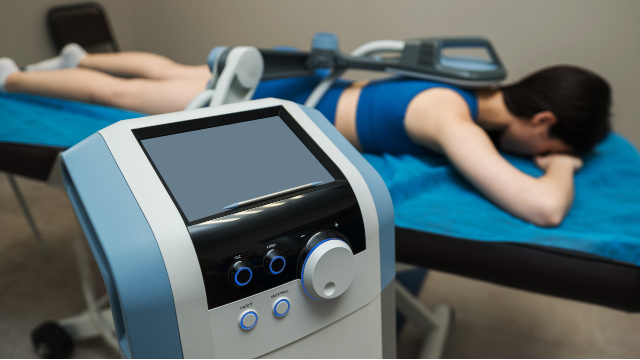
Thermage uses monopolar radiofrequency (RF) energy to heat the dermis to a precise temperature. When the dermis reaches this controlled temperature, two things happen: immediate collagen contraction occurs, and the tissue is stimulated for long-term collagen remodeling over the following months.
Thermage FLX is the current generation of this technology. It is faster, more comfortable, and delivers more uniform energy distribution than earlier Thermage models — a clinically significant improvement that affects both patient experience and outcomes. During a single treatment session, Thermage FLX addresses the skin surface, mid-dermis, and subcutaneous tissue. This makes it an effective radiofrequency skin treatment not only for the face and neck but also for the eye area and body regions including the abdomen, thighs, and arms.
Results develop gradually over 2 to 6 months following a single session, with no series required. In the thermage vs ultherapy discussion, this single-session, multi-depth approach to collagen stimulation treatment sets Thermage apart as an all-in-one option for comprehensive surface-to-deep tightening.
How Ultherapy Works: Micro-Focused Ultrasound for Deeper Lifting
Ultherapy uses micro-focused ultrasound with visualization — known clinically as MFU-V — to target the SMAS layer, which is the same foundational tissue plane addressed in surgical facelifts. This is the defining characteristic of Ultherapy lifting and the reason it produces structural lift that other non-surgical treatments cannot replicate.
Energy is delivered in precise thermal injury points at three distinct depths: 1.5mm, 3mm, and 4.5mm below the skin surface. At each depth, the body's natural healing response is activated, stimulating collagen and elastin regeneration. A key clinical advantage is that real-time ultrasound skin therapy imaging allows the treating dermatologist to visualize tissue layers during the procedure — ensuring energy is delivered exactly where it is needed.
Results develop over 3 to 6 months. Ultherapy is FDA-cleared for lifting the brow, chin, neck, and chest. In the thermage vs ultherapy comparison, Ultherapy's ultrasound precision and SMAS-layer targeting make it the leading choice for patients whose primary goal is non-surgical skin lifting.
Benefits of Each Treatment: What They Are Actually Good At
Knowing how each technology works is one thing. Knowing what each treatment is genuinely best at — from a patient outcome perspective — is what allows you to match your concern to the right solution.
Where Thermage Excels
Thermage FLX delivers a combination of benefits that no other single-session device matches. Its primary strength is skin texture improvement alongside tightening — patients often notice not only firmer skin but smoother, more refined surface quality following treatment.
It is also highly effective for body areas. If you are concerned about loose skin on the abdomen, thighs, or upper arms, Thermage FLX is one of the very few non-surgical options proven to deliver meaningful skin laxity treatment in these regions. Ultherapy, by contrast, is designed primarily for the face, neck, and chest.
Key results patients can expect from Thermage FLX include:
- Improved skin texture and surface quality
- Tightening across face, body, and eye area
- Comprehensive surface-to-deep treatment in a single session
- Minimal downtime — most patients return to normal activity the same day
- No series required; one session delivers full benefit
Where Ultherapy Excels
When it comes to face lifting without surgery, Ultherapy is unmatched. Its ability to target the SMAS layer — the same structural tissue addressed in a surgical facelift — means it can produce true anatomical lift of the brow, jawline, and neck that no other non-surgical treatment replicates.
For patients with moderate skin laxity who want structural lift rather than surface tightening, non-surgical skin lifting with Ultherapy consistently delivers stronger outcomes. The real-time ultrasound visualization gives the treating dermatologist precise control that significantly affects results in skilled hands.
Ultherapy lifting is particularly effective for patients in their late 30s to early 50s. It is FDA-cleared with robust clinical evidence — an important consideration for evidence-conscious patients who prioritize proven technology.
Head-to-Head Comparison: Thermage vs Ultherapy Across Every Key Factor
This is the section most comparison articles fail to deliver. Below is the complete side-by-side breakdown of the thermage vs ultherapy decision, covering every factor that matters to patients making a treatment choice.
The Complete Comparison Table
| Factor | Thermage FLX | Ultherapy |
|---|---|---|
| Technology | Monopolar Radiofrequency | Micro-Focused Ultrasound |
| Depth of Treatment | Dermis and subcutaneous tissue | SMAS layer (1.5 to 4.5mm) |
| Primary Benefit | Tightening and texture improvement | Structural lifting |
| Treatment Areas | Face, body, eyes | Face, neck, brow, chest |
| Sessions Needed | 1 session | 1 session |
| Results Timeline | 2 to 6 months | 3 to 6 months |
| Results Longevity | 1 to 2 years | 1 to 2 years |
| Comfort Level | Moderate (warm and pulsing sensation) | Moderate to high (brief discomfort at depth points) |
| Downtime | Minimal (same-day return to activity) | Minimal (mild redness 24 to 48 hours) |
| Ideal Candidate | Ages 30s to 60s, mild to moderate laxity, texture concerns | Ages 30s to 55s, moderate laxity, lift-focused goals |
| FDA Status | FDA-cleared | FDA-cleared |
| Cost Range (Seoul) | Contact clinic for current pricing | Contact clinic for current pricing |
This technology comparison makes one thing clear: both treatments share the same single-session format and similar longevity, but they serve fundamentally different patient goals. The thermage vs ultherapy choice depends almost entirely on whether lift or skin quality is the primary concern.
Results: What to Realistically Expect from Each Treatment
Neither Thermage nor Ultherapy delivers instant results. Both work through the body's biological collagen response, which means improvement unfolds gradually after your treatment session.
With Thermage FLX, patients often notice subtle improvements within the first few weeks, with peak results typically appearing between 4 and 6 months post-treatment. With Ultherapy, an initial lift can sometimes be perceived within 1 to 2 months, with full results developing over 3 to 6 months.
Both treatments produce outcomes that continue improving after the session ends — which means your skin may look better at 6 months than it did at 2 months. The realistic expectation is a refreshed, firmer appearance rather than a surgical-level transformation.
Results vary based on age, baseline skin condition, lifestyle habits, and sun protection practices after returning home. Diligent SPF use and a consistent home skincare routine are among the most effective ways to maintain and extend results from either treatment — and are among the recommendations from Kleam Clinic Myeongdong's dermatologists for patients returning to the USA. For patients researching the best skin tightening treatment 2025, both options remain among the most clinically validated non-surgical choices available.
When Neither Treatment Is Enough: Honest Guidance
Not every patient is a candidate for Thermage or Ultherapy. Patients with severe skin laxity — advanced jowling, significant ptosis, or dramatic volume loss — may not achieve meaningful improvement from either technology and may need a surgical consultation instead.
At Kleam Clinic Myeongdong, consultations are honest. Patients are not recommended treatments that will not serve their actual needs.
Cost Comparison: What You Will Pay in Seoul vs the USA

One of the most common questions from international patients involves the cost difference between treatments in South Korea versus the United States. Here is an honest breakdown.
What These Treatments Cost in the USA
In the thermage vs ultherapy cost comparison across US markets, pricing varies significantly by city, clinic type, and provider credentials.
Thermage FLX at US medspas and dermatology offices typically ranges from $2,000 to $5,000 per session, depending on the treatment area and the provider. Ultherapy in US clinics typically ranges from $2,500 to $5,500 for a full-face session. Patients in premium markets such as New York and Miami generally pay toward the upper end of these ranges. Many US clinics also charge separate consultation fees on top of treatment costs.
It is important to note that price alone should never be the deciding factor in skin tightening Seoul or any geographic location. Provider expertise, device quality, and protocol customization matter significantly more than geography.
What These Treatments Cost at Kleam Clinic Myeongdong, Seoul
Seoul offers genuinely competitive pricing for the same FDA-cleared technologies — Thermage FLX and Ultherapy — performed by board-certified dermatologists with specialist certifications in both devices. This is not a trade-off between cost and quality; it is a function of the Korean healthcare market's pricing structure.
Kleam Clinic Myeongdong skin treatments are priced individually based on treatment area, skin condition, and the program selected. Current pricing is available upon consultation — there are no hidden consultation fees, and the clinic maintains a transparent pricing policy. Patients are encouraged to contact the clinic directly for a personalized quote.
For patients planning a Seoul visit, combining multiple treatments in a single trip can offer significant overall value compared to booking multiple separate appointments at US clinics.
Is Traveling to Seoul Worth It?
For many international patients, the answer is yes — not only because of competitive pricing, but because of the level of dermatologist-led expertise, certified technology, and personalized protocol design that Kleam Clinic Myeongdong offers.
Which Is Right for You: Thermage or Ultherapy?
This is the section that most comparison articles skip entirely. Rather than leaving you with a general overview, this section matches specific patient concerns and profiles to the appropriate treatment — removing the guesswork from your procedure choice.
Making Your Procedure Choice: Key Factors to Consider
| Your Primary Concern | Recommended Treatment |
|---|---|
| Skin laxity with desire for structural lift | Ultherapy |
| Skin texture improvement and tightening | Thermage FLX |
| Brow drooping or jowl development | Ultherapy |
| Overall skin quality improvement | Thermage FLX |
| You want proven lifting of the SMAS layer | Ultherapy |
| You want one treatment for face and body | Thermage FLX |
| Budget is a consideration | Discuss with dermatologist |
| You are in your 30s with early laxity | Either — consultation recommended |
| You are in your 40s to 50s with moderate laxity | Ultherapy for lift; Thermage for texture |
| You want a combination approach | Both — ask about combination protocols |
For patients who are skin tightening for women over 40, the thermage vs ultherapy decision often comes down to the degree of laxity present and whether the primary goal is structural lift or surface improvement. Many women in this age group benefit most from a combination of both.
This procedure choice framework is designed to give you a starting point — not a definitive answer. A board-certified dermatologist must assess your skin before any recommendation is finalized.
Can You Combine Thermage and Ultherapy?
Yes. Combination protocols are available at Kleam Clinic Myeongdong for patients who want the benefits of both technologies in a single Seoul visit. This approach makes clinical sense: Ultherapy addresses the deep SMAS layer, while Thermage FLX addresses the dermis. The two technologies are complementary, not redundant — they work at different depths to produce different outcomes.
Combination treatment is particularly well-suited for patients in their 40s and 50s who have both structural laxity and surface texture concerns. This procedure choice requires assessment by a board-certified dermatologist to determine appropriate sequencing and timing based on your individual skin condition.
Recovery, Downtime, and What to Expect After Each Treatment
For international patients planning a Seoul trip, downtime is a practical concern — not just a clinical one. Here is what to expect after each treatment so you can schedule your itinerary with confidence.
Thermage FLX Recovery
Thermage FLX recovery is minimal. Most patients experience mild redness and warmth for a few hours following treatment. Makeup can typically be applied the same day or the following morning.
Beyond standard SPF diligence, there are no strict sun exposure restrictions. This makes Thermage FLX well-suited for patients who need to sightsee, attend events, or travel within 24 to 48 hours of treatment. If you receive eye area treatment, some temporary swelling is possible — it typically resolves within 24 hours. Results continue to build over the following months, so the visible transformation is gradual rather than immediate.
Ultherapy Recovery
Ultherapy recovery is similarly manageable, though slightly more notable than Thermage. Most patients experience mild redness and tingling for 24 to 48 hours. Some patients notice temporary sensitivity or slight swelling along the treatment lines during this period, and mild numbness or tenderness in the treated area is possible for several days — this is normal and resolves on its own.
Makeup can be applied the following morning. For patients planning a Seoul trip, scheduling Ultherapy at the beginning of your visit allows maximum recovery time before your return flight. With standard sun protection, most patients are comfortable sightseeing within 24 to 48 hours of treatment.
For patients combining treatments during their skin tightening Seoul visit, the clinic team will advise on the optimal sequencing and recovery timeline based on your specific program.
Why Choose Kleam Clinic Myeongdong for Thermage or Ultherapy
Choosing where to receive Thermage or Ultherapy matters as much as choosing which treatment to receive. The technology is only as effective as the hands performing it and the protocols guiding it.
Our Dermatologists' Expertise and Experience
** Dr. Hyeon-ok Kim** brings 15 to 20-plus years of clinical experience in advanced non-surgical aesthetic procedures. She is certified as a specialist in both Ultherapy and Thermage FLX — a dual certification that is rare in the field. Dr. Kim is a graduate of Ulsan University College of Medicine, completed her residency and board certification at Seoul Asan Medical Center, and received international training at the University of North Carolina at Chapel Hill. She served as CEO of Tox and Fill branches in Anyang and Ansan, and has performed over 1,000 procedures annually at Kleam Clinic Myeongdong.
Dr. Yeon-ju Hong brings 10 to 12-plus years of specialist experience in aesthetic laser medicine and non-surgical contouring. She is a graduate of Hanyang University College of Medicine and a graduate of the Ulthera Expert Course — a specialized program for high-volume Ultherapy practitioners. Her expertise in Korean dermatology skin tightening spans the full spectrum of non-surgical lifting and rejuvenation.
Together, these two specialists offer rare dual-technology expertise in both Thermage FLX and Ultherapy — a clinical combination not available at most clinics where a single device defines the practice.
Certified Technology and Personalized Protocols
Kleam Clinic Myeongdong uses only authentic, certified Thermage FLX and Ultherapy devices. Grey-market or uncertified equipment is not used — a distinction that matters clinically and for patient safety.
Treatment protocols are fully individualized. Energy settings, pass counts, and depth selections are customized per patient based on skin condition, laxity level, and treatment goals — not templated from a standard protocol. During Ultherapy procedures, real-time ultrasound visualization ensures precise targeting of the SMAS layer in every session.
Kleam Clinic Myeongdong skin treatments are performed exclusively by board-certified dermatologists. No aesthetician or nurse injector delivers Thermage or Ultherapy at this clinic. This distinction reflects the clinic's commitment to clinical-grade outcomes over volume-driven throughput. The combination of certified technology and individualized protocol design is central to the clinic's approach to Korean dermatology skin tightening.
International Patient Support
Kleam Clinic Myeongdong is built to serve international patients seamlessly. English-speaking patient coordinators are available throughout the booking, consultation, and treatment process — there is no language barrier to navigate.
A virtual pre-visit consultation is available with the treating dermatologist before you travel, so you arrive in Seoul with a clear treatment plan. Post-treatment virtual follow-up is available for patients returning to New York, Los Angeles, Chicago, Houston, Miami, or anywhere else in the USA.
Communication is available via WhatsApp and email in English. The clinic is centrally located in the Myeongdong area of Jung-gu, Seoul — convenient for international patients staying in Myeongdong area hotels.
How to Book Your Thermage or Ultherapy Treatment

Booking your treatment at Kleam Clinic Myeongdong from anywhere in the USA is straightforward. Here is the process from first contact to treatment day.
Step 1: Schedule Your Free Virtual Consultation
Before you travel, book a free video consultation with a Kleam Clinic Myeongdong dermatologist. This consultation covers your skin concerns, relevant medical history, which technology is most appropriate for your goals, and a clear outline of realistic expectations.
Consultations are conducted in English via Zoom or Google Meet. To book, reach out via email, WhatsApp, or the clinic's website inquiry form. Virtual consultations are available across US time zones so scheduling is convenient regardless of where you are based.
This step removes the uncertainty from your Seoul trip — you arrive knowing exactly what treatment has been recommended and why.
Step 2: Receive Your Personalized Treatment Plan
Following your virtual consultation, you will receive a written treatment recommendation. This plan includes the recommended technology — Thermage FLX, Ultherapy, or a combination protocol — along with treatment areas, estimated pricing, and pre-visit instructions.
For patients who coordinate care with a US physician, the written plan can be shared with your doctor before travel. This is particularly relevant for patients who integrate aesthetic treatments with a broader functional medicine or wellness approach.
Step 3: Contact Information
- Phone:+1 551-370-7756 (WhatsApp)
- Website: Kleam Clinic Myeongdong
- **WhatsApp: ** Click Here
- Email: Kleam Clinic Myeongdong
- Location: Myeongdong-gil, Jung-gu, Seoul, South Korea
- Response Time: From Monday through Friday, the facility maintains consistent operating hours from 9:00am to 8:00pm. During the weekend, the schedule remains the same on both Saturday and Sunday, with the doors open from 9:00am to 6:00pm.
Frequently Asked Questions
Is Thermage or Ultherapy More Painful?
In the thermage vs ultherapy comparison, both treatments involve some discomfort, but they differ in character. Thermage FLX produces a warm, pulsing sensation throughout the session. Ultherapy involves brief, deeper discomfort at the depth-targeted points — particularly at the 4.5mm SMAS level. Most patients tolerate both treatments well. Topical numbing and comfort management protocols are used at Kleam Clinic Myeongdong to improve the experience, and both treatments are completed in a single outpatient session. Individual pain tolerance varies significantly.
How Long Do Results from Thermage FLX Last?
Thermage FLX results typically last between 1 and 2 years for most patients, with some patients maintaining improvement longer depending on age, skin condition, and lifestyle. Results continue to develop for up to 6 months after treatment. A maintenance session may be recommended after 12 to 24 months depending on the degree of skin change that occurs over time. Consistent SPF use and a quality home skincare routine help extend and protect results.
How Long Do Results from Ultherapy Last?
Ultherapy lifting results similarly last 1 to 2 years for most patients. Because Ultherapy targets the SMAS layer, the structural lift it creates can feel particularly lasting for patients with moderate laxity who are treated at the appropriate age. As with all collagen-based treatments, natural aging continues — so patients who wish to maintain their results typically schedule a follow-up session after 12 to 24 months. Skincare habits and sun protection significantly influence how long results are preserved.
Can I Get Thermage or Ultherapy If I Have a Darker Skin Tone?
Yes. Both Thermage FLX and Ultherapy are generally safe for patients with a range of skin tones, including darker complexions. Unlike certain laser treatments that carry pigmentation risks for melanin-rich skin, radiofrequency and micro-focused ultrasound energy targets deeper tissue layers without relying on surface pigment absorption. However, individual assessment is always required. At Kleam Clinic Myeongdong, which serves international patients seeking skin tightening Seoul including those from diverse ethnic backgrounds, all consultations include an assessment of skin tone, type, and sensitivity.
Which Treatment Is Better for Someone in Their 40s?
For skin tightening for women over 40, the thermage vs ultherapy decision depends on the primary concern. If the dominant issue is structural laxity — drooping brow, softening jawline, or neck looseness — Ultherapy is typically the stronger recommendation because of its SMAS-layer targeting. If the concern is skin quality, texture, or laxity across the body as well as the face, Thermage FLX may deliver more comprehensive results. Many patients in their 40s benefit most from a combination of both technologies, which is available at Kleam Clinic Myeongdong.
Can I Combine Thermage and Ultherapy in One Visit to Seoul?
Yes. Combination protocols that incorporate both Thermage FLX and Ultherapy in a single Seoul visit are available at Kleam Clinic Myeongdong. This is often an excellent procedure choice for patients who want both structural lift and surface skin quality improvement. The thermage vs ultherapy combination approach is particularly well-suited for patients in their 40s and 50s with multiple skin concerns. Your dermatologist will advise on the optimal sequencing and timing based on your individual assessment.
How Many Sessions of Thermage or Ultherapy Do I Need?
Both Thermage FLX and Ultherapy are single-session treatments. This is one of the most commonly misunderstood aspects of the technology comparison between these two options — unlike laser or injectable treatments that require a series, one session of either Thermage or Ultherapy is designed to deliver the full treatment benefit. A maintenance session may be recommended after 12 to 24 months depending on individual aging patterns and desired outcomes.
Will I See Results from Just One Treatment Session?
Yes. Both treatments are designed to deliver full benefit from a single session. Results from either Thermage FLX or Ultherapy develop gradually over several months, so you will not see the final outcome immediately after treatment — but the biological collagen response triggered by that one session produces the complete result. Many patients consider these among the best skin tightening treatment 2025 options precisely because of this single-session efficacy.
Can I Sightsee in Seoul the Day After Thermage or Ultherapy?
For most patients, yes. Both treatments have minimal downtime. Thermage FLX patients can typically sightsee within 24 hours with standard sun protection. Ultherapy patients may experience mild redness or sensitivity for 24 to 48 hours but are generally comfortable with light activity during this period. Kleam Clinic Myeongdong's team will provide specific post-treatment guidance tailored to your skin and the areas treated to help you plan your skin tightening Seoul visit with confidence.
Do Kleam Clinic Myeongdong's Dermatologists Recommend One Over the Other?
It depends entirely on the individual patient. The Korean dermatology skin tightening approach at Kleam Clinic Myeongdong prioritizes individualized assessment over blanket recommendations. Dr. Hyeon-ok Kim and Dr. Yeon-ju Hong each hold specialist expertise in both technologies, which means their procedure choice guidance is genuinely unbiased. They recommend whichever treatment — or combination — best matches the patient's specific skin condition, concern, age, and goals. This is the core advantage of consulting with dual-certified specialists rather than a clinic that offers only one device.
Conclusion
The thermage vs ultherapy decision is not one that benefits from a generic answer. Both Thermage FLX and Ultherapy are world-class non-surgical skin tightening treatments — but they work differently and suit different patients. Thermage FLX excels at surface-to-deep tightening and is the stronger choice for texture improvement and body areas. Ultherapy delivers structural lift at the SMAS layer, making it the superior option for brow, jawline, and neck lifting. For patients who want both lifting and tightening, a combination protocol may deliver the most complete and lasting result.
The thermage vs ultherapy choice requires a clinical assessment by a board-certified dermatologist who understands both technologies at a specialist level. At Kleam Clinic Myeongdong, Dr. Hyeon-ok Kim and Dr. Yeon-ju Hong bring specialist certification in both devices and over 25 combined years of clinical experience — ensuring your recommendation is based on your skin, not a standard protocol.
Book your free virtual consultation with Kleam Clinic Myeongdong's dermatologists before your Seoul visit and receive a personalized thermage vs ultherapy recommendation based on your individual skin assessment. Contact the clinic via email or WhatsApp in English responses are provided within 24 hours.
About the Author
Dr. Hyeon-ok Kim, Dermatology Specialist
Dermatology Specialist, Kleam Clinic Myeongdong, Seoul. 15 to 20-plus years of clinical experience in advanced non-surgical aesthetic procedures. Graduate: Ulsan University College of Medicine. Residency and Board Certification: Seoul Asan Medical Center. International Training: University of North Carolina at Chapel Hill. Certified Specialist in Ultherapy, Thermage FLX, and Rejuran. Former CEO of Tox and Fill Anyang and Ansan branches.
For consultations: | +1 551-370-7756 (WhatsApp) | Kleam Clinic Myeongdong | WhatsApp.
More Articles
Continue reading expert dermatology insights from Kleam Clinic Myeongdong.

Seoul Medical Tourism: Why Thermage FLX 4.0 Leads the Lifting Niche
Driven by a culture of precision and a "high-tech" approach to aging, South Korea has emerged as a global leader in non-surgical rejuvenation. A recent market report indicates that the South Korean medical tourism...
Learn More

Titanium Lifting Efficacy: 85% Skin Tightening in Korean Studies
The demand for non-invasive aesthetic procedures in South Korea has seen exponential growth, driven by a patient demographic that prioritizes immediate visibility, safety, and zero downtime. According to a Korean...
Learn More
Laser Toning for Skin: Complete 2026 Guide
Discover laser toning for skin in this complete 2026 guide. Learn benefits, costs, results, and how it treats pigmentation, melasma, and uneven skin tone safely.
Learn More