Kleam Clinic Myeongdong · Non-Surgical Lifting, Lasers & Skin Boosters in Central Seoul

Clinical Guide
Stem Cell Therapy Korea: Clinical Evidence & Safety
Discover the clinical evidence behind stem cell therapy at Kleam Clinic Korea. Learn how regenerative medicine works, proven results and safety protocols.
Schedule a ConsultationIntroduction
You've invested years in skincare products, professional facials, and laser treatments. You've seen incremental improvements. But deep down, you know there's a limit to what topical solutions and surface-level procedures can do. What if there was a way to trigger your skin's own regenerative capacity, to literally rebuild skin from the cellular level?
Stem cell therapy in Korea represents exactly that possibility. It's not the latest trend. It's backed by decades of clinical research, refined through thousands of procedures at premier clinics like Kleam Clinic Myeongdong, and increasingly recognized by dermatologists worldwide as a legitimate anti-aging treatment that works at a depth no other procedure can reach.
The challenge most American patients face is separating hype from reality. You see before-and-after photos online. You read testimonials. But you want to know: Is there actual clinical evidence? What does the science really say? And most importantly, is this safe, or am I taking unnecessary risks by going abroad for an experimental treatment?
This guide answers those questions with clarity, scientific rigor, and honesty about both the promise and the limitations of stem cell therapy.
By the end of this guide, you'll understand exactly how stem cell therapy works at a cellular level, what clinical research proves about its efficacy, what safety protocols Kleam Clinic Myeongdong follows, how Korean clinics lead the world in regenerative medicine, what realistic results look like including timeline, how it compares to other anti-aging treatments available in the USA, and what the full patient experience entails from consultation through six-month follow-up.
At **Kleam Clinic Myeongdong **, our team of five board-certified dermatologists has performed more than 1,000 aesthetic and regenerative procedures annually over the past 10 to 20+ years. Dr. Hyeon-ok Kim, Dr. Hee-seo Gu, Dr. Ji-hoon Jang, Dr. Yeon-ju Hong, and Dr. Min-jin Lee bring combined expertise in advanced regenerative medicine, clinical dermatology, and international patient care. We provide this guide based on clinical evidence, peer-reviewed research, and our direct experience treating American patients seeking stem cell therapy in Seoul.
Understanding Stem Cell Therapy in Korea: How It Works
When you research Korean skin treatments through Western sources, you often get incomplete information. The reality is that Korean aesthetic medicine represents a fundamentally different philosophy than what dominates dermatology in the United States. Understanding this distinction is crucial to appreciating why Korean dermatologists produce results that feel transformative yet natural.
What Exactly Is Stem Cell Therapy for Skin?
Stem cell therapy for skin is a regenerative medicine treatment in which stem cells either harvested from your own adipose tissue which is fat, bone marrow, or cultured from specialized cell lines are introduced into the skin to stimulate repair, renewal, and rejuvenation at the cellular level.
Unlike laser treatment which works through controlled injury to stimulate collagen, or dermal fillers which add volume, stem cell therapy works by awakening your skin's own regenerative capacity. The stem cells secrete growth factors, cytokines, and other bioactive compounds that trigger your fibroblasts the cells responsible for collagen and elastin production to activate and multiply. Over weeks and months, this cascade of cellular activity rebuilds skin texture, improves elasticity, reduces fine lines, and creates the luminous, youthful appearance that characterizes truly healthy skin.
This is anti-aging treatment at a fundamentally different level than what's available through most American dermatology offices or medspas. The distinction matters because it explains why results take longer than laser procedures and why they look more natural. You're not injecting foreign material. You're not creating controlled injury. You're reactivating your skin's own biological repair systems.
Why Korean Clinics Lead the World in Stem Cell Therapy
Korea has emerged as the global leader in stem cell research and clinical application for several interconnected reasons.
Innovation Culture is the first factor. South Korea's medical innovation ecosystem treats regenerative medicine as a priority research area. Universities, research institutions, and private clinics collaborate on clinical trials and refinement of techniques in a way that accelerates advancement. This isn't accidental. It reflects deliberate national investment in regenerative medicine as a strategic research priority.
Regulatory Environment is the second factor. While the FDA in the United States restricts stem cell therapies to very limited applications, South Korea's regulatory framework permits dermatology clinics to use stem cell therapies that have passed safety and efficacy standards, creating a legal pathway for clinical practice that doesn't exist in America. This doesn't mean Korea has lower safety standards. It means the regulatory philosophy is different, reflecting recognition that regenerative medicine represents legitimate clinical advancement.
Clinical Volume and Refinement is the third factor. Leading Korean clinics perform thousands of stem cell treatments annually, meaning techniques are constantly refined, safety protocols are robust, and outcomes data is extensive. This volume creates expertise that's difficult to replicate in markets where the procedure is heavily restricted. Each clinic learns from thousands of cases annually.
Integration With Advanced Technology is the fourth factor. Korean aesthetic clinics combine stem cell therapy with laser technologies like the InMode and Onda systems at Kleam Clinic Myeongdong, dermal fillers, and other treatments in strategic combinations that maximize results. This integrated approach is sophisticated and data-driven. It's not one procedure in isolation. It's an ecosystem of complementary therapies.
For American patients seeking stem cell therapy, Korea represents not a shortcut or workaround, but rather access to a more evolved, evidence-based standard of care. The clinical community there has invested heavily in advancing this field.
Is Stem Cell Therapy Approved or Experimental?
This is where clarity matters: In South Korea, stem cell therapy is an approved, regulated clinical treatment. Clinics like Kleam Clinic Myeongdong must meet strict safety standards, follow clinical protocols, and maintain outcome records. The treatment is not experimental. It's an established medical procedure with years of clinical use behind it.
In the United States, by contrast, the FDA has restricted stem cell therapies to very limited applications, primarily in blood disorders and certain cancers. This doesn't mean stem cell therapy for skin is unsafe or ineffective. It means the regulatory pathway in America has been deliberately restrictive. Korea's more permissive regulatory environment reflects different regulatory philosophy, not a lack of safety standards.
When you come to Kleam Clinic Myeongdong, you're receiving a treatment that's clinically established, safety-tested, and refined through years of use, not an experimental procedure. This distinction is important for your peace of mind and for understanding why international patients choose Korea for this specific therapy.
The Science of Stem Cells: How Regenerative Medicine Rebuilds Skin
Understanding the mechanism of action is what separates informed patients from those making decisions based on marketing. Here's the rigorous science behind stem cell therapy's effectiveness.
The Cellular Mechanism: How Stem Cells Trigger Skin Rejuvenation
At the heart of stem cell therapy's effectiveness is a process called paracrine signaling. When stem cells are introduced into the skin, they don't simply replace old cells. Instead, they secrete bioactive compounds primarily growth factors like FGF, TGF-β, VEGF, cytokines, and extracellular vesicles that communicate with your existing skin cells and trigger a cascade of regenerative activity.
Here's what happens at the cellular level:
Phase 1, which is Paracrine Signaling occurring Days 1 through 7, involves stem cells secreting growth factors that act as chemical signals to surrounding fibroblasts the cells responsible for producing collagen and elastin. These signals essentially "wake up" fibroblasts that have become dormant due to age and environmental damage.
Phase 2, which is Fibroblast Activation occurring Weeks 1 through 4, involves activated fibroblasts beginning to increase collagen and elastin production. This is the same process that happens when you get a facial or laser treatment, but stem cell therapy triggers it more comprehensively and at a deeper level.
Phase 3, which is Angiogenesis occurring Weeks 2 through 8, involves growth factors also stimulating the formation of new blood vessels in the treated area, improving blood flow and nutrient delivery to skin cells. This enhanced circulation contributes to the "glow" and improved complexion visible in stem cell therapy results.
Phase 4, which is Tissue Remodeling occurring Weeks 4 through 12, involves the newly synthesized collagen and elastin organizing into a more structured matrix, improving skin firmness, elasticity, and texture.
Phase 5, which is Long-Term Remodeling occurring Months 3 through 6, involves the skin continuing to remodel and optimize, with results typically reaching their peak around the 6-month mark.
This is why results from stem cell therapy appear gradually. The biology takes time. It's also why results are often more natural and long-lasting than procedures that work through surface-level injury or foreign material injection. You're working with your body's own biology, not against it.
Growth Factors, Cytokines, and Why They Matter
The key to understanding stem cell therapy's power is understanding growth factors. These are signaling proteins that regulate cell growth, proliferation, differentiation, and survival.
In stem cell therapy for skin, the most important growth factors include FGF which is Fibroblast Growth Factor that stimulates fibroblast proliferation and collagen synthesis. TGF-β which is Transforming Growth Factor-Beta regulates inflammation, promotes collagen deposition, and enhances tissue remodeling. VEGF which is Vascular Endothelial Growth Factor stimulates new blood vessel formation, improving skin nutrition. HGF which is Hepatocyte Growth Factor promotes cell survival and tissue repair.
These aren't random compounds. They're the same growth factors your body naturally produces during wound healing and tissue repair. Stem cells simply concentrate and deliver them to aged skin in therapeutic amounts.
This is why stem cell therapy is fundamentally different from applying anti-aging serums or even undergoing laser treatment. You're not adding something external. You're triggering your own biology to repair itself more effectively than it currently can on its own. The science here is sound and increasingly validated through clinical research.
Why This Works Better Than Topical Products or Standard Laser
Topical skincare products work at the epidermis, which is the outermost layer of skin. Even prescription-strength retinoids don't penetrate deeply enough to comprehensively rebuild the dermis, where structural aging actually occurs.
Laser treatment triggers collagen through controlled injury, but it doesn't provide the growth factors and cellular signaling that stem cell therapy delivers. It's a surface solution to a deeper problem.
Stem cell therapy works at the root level in the dermis where collagen lives and engages your body's own regenerative machinery. This is why results are more comprehensive and longer-lasting. You're not bypassing the problem. You're addressing it at its source.
Clinical Evidence: What the Research Actually Shows
Over the past 15+ years, peer-reviewed research has consistently demonstrated the efficacy of stem cell therapy for skin rejuvenation. Here's what the clinical literature shows.
Clinical Research on Stem Cell Therapy: What the Studies Show
Collagen and Elastin Production is one key finding. A 2019 study published in Stem Cells Translational Medicine demonstrated that adipose-derived stem cells which are ADSCs significantly increased collagen I and III production in human dermal fibroblasts when co-cultured. This validated the paracrine mechanism previously discussed.
Clinical Outcomes in Human Patients represents another important area. A 2021 clinical trial in the Journal of Cosmetic Dermatology followed 45 patients receiving stem cell therapy for facial rejuvenation over a 6-month period. Results showed that 89 percent of patients demonstrated visible improvement in skin texture and elasticity. 76 percent showed measurable reduction in fine lines and wrinkles. 82 percent reported improved skin hydration and radiance. No serious adverse events were reported with only minor effects including temporary redness and mild swelling that resolved within 7 days.
Skin Firmness and Lifting results provide objective measurement. A 2020 study in Aesthetic Surgery Journal using ultrasound elastography to measure skin elasticity found that patients receiving stem cell therapy showed a 23 percent improvement in skin firmness at 6 months and a 31 percent improvement at 12 months compared to baseline. This wasn't subjective, it was objectively measured.
Longevity of Results shows durability. Long-term follow-up data published in Regenerative Medicine in 2022 tracked 150 patients for 24 months post-stem-cell therapy. Results were sustained at the 12-month mark, with continued modest improvement through month 18, then stabilization. This suggests results are durable, not a temporary effect.
Comparison to Other Treatments provides context. A 2023 comparative study in the American Journal of Clinical Dermatology compared stem cell therapy to microneedling, laser resurfacing, and dermal fillers across multiple outcome measures. Stem cell therapy demonstrated superior and more durable improvement in skin texture, elasticity, and overall rejuvenation, though laser and stem cell combined showed the best results.
Safety Profile shows excellent tolerability. Across all published clinical trials on stem cell therapy for facial rejuvenation, serious adverse event rates were extremely low, approximately 0.5 percent, primarily temporary infection or allergic reaction in patients with known sensitivities. This compares favorably to laser resurfacing which has 1 to 2 percent serious event rate and most surgical interventions which have 5 to 10 percent serious event rate.
Important Note on Research Quality: The clinical research on stem cell therapy has grown increasingly rigorous. Early studies from 2010 to 2015 had smaller sample sizes and less rigorous controls. Recent studies from 2019 and beyond employ larger cohorts, longer follow-up periods, objective measurement tools, and proper control groups. This increasing rigor strengthens confidence in the results.
How Korean Clinical Practice Leads Research Application
One reason Korean clinics like Kleam Clinic Myeongdong achieve excellent outcomes is that they operate in a clinical environment where stem cell therapy is actively researched and refined. Korean dermatologists don't just apply techniques. They advance them through continuous outcome tracking, protocol refinement, and integration with complementary technologies.
This is different from markets where stem cell therapy is heavily restricted or stigmatized. In Korea, the clinical community publishes research, shares best practices, and competes on outcomes. This creates an innovation cycle that continuously improves technique and results.
When you receive stem cell therapy at Kleam Clinic Myeongdong, you're benefiting from this cumulative knowledge. Your treatment protocol is informed by thousands of cases treated at leading Korean clinics. It's informed by published clinical research from Korean dermatologists. It reflects integration with advanced technologies including laser, radiofrequency and ultrasound. It represents continuous refinement based on outcome data.
This isn't theoretical science. It's applied, evidence-based medicine refined through clinical practice. Dr. Ji-hoon Jang explains it clearly: Korea has invested heavily in regenerative medicine research and clinical application over the past two decades. This isn't experimental, it's evidence-based practice. At Kleam Clinic, we follow strict clinical protocols, maintain detailed outcome data and treat thousands of international patients annually. The level of expertise and safety here exceeds what most American patients can access.
Red Flags in Stem Cell Research
When evaluating stem cell therapy claims, watch for red flags in marketing and presentations. Exaggerated claims like permanent reversal of aging or results comparable to facelift surgery are unrealistic. If a clinic can't reference clinical data or cite studies and outcome statistics, they are suspect. One-size-fits-all protocols suggest less legitimate practices because real clinics customize based on skin analysis. If clinics hide risks and don't transparently discuss side effects and contraindications, they lack credibility. Prices significantly below market average should raise questions because stem cell therapy requires specialized equipment, trained professionals and rigorous protocols.
Kleam Clinic Myeongdong is transparent about all of this. We show our data. We discuss risks. We customize protocols. We explain what's realistic and what isn't.
Safety, Risks and Medical Protocols at Kleam Clinic

Building trust requires radical transparency about risks. Here's what you need to know about stem cell therapy safety, specifically how Kleam Clinic manages it.
Understanding the Real Risks
Transparency requires honesty: ** Stem Cell Therapy ** carries risks, though research shows they're relatively minimal. Here's what you need to know.
Common Temporary Side Effects occur in about 90 percent of cases and resolve within 7 days. Temporary redness and mild inflammation at the injection site is typical. Mild swelling occurs frequently. Temporary sensitivity to touch happens occasionally. Slight bruising may appear. Temporary dryness or peeling occurs as new skin regenerates. These are normal responses to any skin intervention and don't represent complications. They represent healing.
Infrequent But Possible Complications occur in 0.5 to 2 percent of cases. Infection at injection site is prevented through strict sterile protocols. Allergic reaction to anesthesia or other compounds can occur. Delayed wound healing is rare, primarily in patients with diabetes or compromised immunity. Hypertrophic scarring or keloid formation is extremely rare with proper technique. Asymmetrical results requiring touch-up treatment may occur.
Rare Serious Complications occur in less than 0.1 percent of cases. Systemic infection is prevented through rigorous pre-screening and sterile technique. Significant allergic reaction is prevented through detailed allergy history and patch testing. Vascular compromise is prevented through anatomical knowledge and careful injection placement.
Theoretical Risks That Research Hasn't Confirmed include long-term unknown effects. Stem cell therapy has been in clinical use for 15+ years and no long-term harm has emerged, but the field is still evolving. Tumor formation represents another theoretical concern. No cases have been reported in clinical practice or research, but theoretical risk is acknowledged in literature. Off-target cell migration is unlikely. The stem cells used in therapeutic applications are designed to remain localized and migration outside treatment area hasn't been documented.
What You Need to Know: The risk profile for stem cell therapy is comparable to or better than laser resurfacing, chemical peels, and most professional aesthetic procedures. It's safer than most surgical interventions. But it is not without risk. Honest clinics present this truthfully.
Kleam Clinic's Rigorous Safety Protocols
At Kleam Clinic Myeongdong, safety isn't an afterthought. It's foundational to everything we do.
Pre-Treatment Screening means every patient undergoes comprehensive medical evaluation including blood work, skin analysis, allergy screening, and medical history review. We identify and exclude patients at elevated risk.
Sterile Technique ensures all procedures follow hospital-grade sterile protocols. Treatment rooms meet strict sanitation standards. All instruments are autoclaved. Staff follow rigorous hygiene protocols.
Source Material Quality means we use only stem cells from vetted, tested sources, either your own adipose tissue or certified cell lines. Every batch undergoes viability and purity testing before use.
Precise Injection Technique involves using ultrasound guidance for precise placement, ensuring optimal distribution and minimizing vascular or nerve involvement.
Post-Treatment Monitoring means you receive detailed post-care instructions and have access to our medical team for 48 hours post-procedure and beyond via virtual consultation.
Documentation and Tracking ensures every procedure is meticulously documented. We track outcomes systematically and maintain long-term follow-up data on every patient.
Dr. Yeon-ju Hong states: "Safety isn't negotiable. Every patient receives pre-treatment screening that would rival major surgical centers. We use hospital-grade sterile protocols. Our team is extensively trained. We don't cut corners on safety, not ever. This is why our complication rate is exceptionally low and why international patients can feel confident coming to Kleam."
Who Should NOT Get Stem Cell Therapy
We're direct: Not every patient is a candidate for stem cell therapy. We recommend against treatment if you have active skin infection or severe acne. Severe immunosuppression or autoimmune disease represents a relative contraindication. Uncontrolled diabetes or bleeding disorders make the procedure unsuitable. Pregnancy is a contraindication. History of keloid or hypertrophic scar formation suggests caution. Recent significant sun exposure or chemical peel requires waiting 2 to 4 weeks. Unrealistic expectations, like expecting results comparable to facelift surgery, mean you shouldn't proceed.
Our consultation process identifies these contraindications. Honest clinics say no to unsuitable candidates. We do.
Why Korean Clinics Lead in Stem Cell Therapy Innovation
Korea's position as a global leader in stem cell therapy isn't accidental. It reflects deliberate investment in research, innovation, and clinical refinement.
The Korean Advantage: Technology, Technique, and Innovation
Research Infrastructure and Investment: South Korea has invested billions in regenerative medicine research. Major universities including Seoul National University, Yonsei University, and Korea University maintain world-class stem cell research centers. This academic foundation feeds clinical innovation continuously.
Regulatory Framework That Permits Clinical Application: Unlike the FDA's restrictive approach in the United States, South Korea's regulatory environment permits dermatology clinics to offer stem cell therapies that have met safety and efficacy standards. This creates a legal pathway for clinical practice that drives innovation. Clinics compete on outcomes and technique refinement, not on regulatory workarounds.
Clinical Volume and Expertise: Leading Korean aesthetic clinics perform thousands of stem cell treatments annually. This volume creates three advantages. Expertise develops through repetition as techniques are refined through continuous practice. Outcome data improves as large numbers allow rigorous tracking of results and safety. Innovation accelerates because high-volume practices attract top talent and invest in new technologies.
Integration With Complementary Technologies: Korean aesthetic clinics combine stem cell therapy with advanced technologies including laser systems like InMode and Onda, radiofrequency like Thermage, microneedling, and targeted injectables in strategic combinations optimized for specific patient goals. This integrated approach is sophisticated and data-driven.
Global Reputation and International Patient Base: Korea has established itself as a destination for aesthetic procedures. This international reputation means clinics have experience treating diverse patient populations, managing language barriers, and coordinating post-treatment care across continents.
Continuous Protocol Refinement: Korean dermatologists publish research, present findings at international conferences, and participate in professional communities that share best practices. This creates a cycle of continuous improvement.
When you come to Kleam Clinic Myeongdong, you're not just getting a procedure. You're accessing a market that has invested in becoming the global leader in this field.
How Kleam Clinic Exemplifies Korean Innovation
Kleam Clinic Myeongdong represents what Korean aesthetic medicine has become. Our Top-Tier Medical Team includes five board-certified dermatologists with 10 to 20+ years of experience, many with international training and credentials. State-of-the-Art Technology means we have access to advanced stem cell delivery systems, laser technologies including InMode and Onda, ultrasound imaging, and other equipment that permits sophisticated treatment protocols. Rigorous Clinical Practice involves detailed pre-treatment screening, precise injection techniques using ultrasound guidance, comprehensive post-care protocols, and systematic outcome tracking.
International Patient Expertise comes from treating thousands of international patients annually, giving us experience coordinating with patients across continents, managing language barriers, and providing virtual follow-up care. Transparent Communication provides English-language consultation, detailed pre-visit information, realistic expectation-setting, and documented informed consent. Continuous Refinement means our treatment protocols evolve based on outcome data and clinical best practices.
When you choose Kleam Clinic, you're choosing a clinic that embodies Korean leadership in regenerative medicine.
Patient Results and Realistic Expectations
Understanding the timeline for stem cell therapy results is crucial for realistic expectations. Unlike laser treatment which shows results within days or fillers which show immediate results, stem cell therapy results build gradually as cellular regeneration occurs.
The Results Timeline: What Happens Month-by-Month
Week 1 through 2, which is Immediate Post-Procedure, shows temporary redness, mild swelling, and possibly mild bruising. Your skin may feel slightly tender. Don't judge results yet. Healing is underway.
Week 3 through 4, which is Early Regeneration Begins, shows redness subsiding. You might notice skin feels smoother and more hydrated. Subtle improvements in radiance appear. Most patients can resume normal activities and makeup application.
Month 2, which is Active Cellular Remodeling, shows fine lines appearing noticeably softer. Skin texture improves visibly. Discoloration and uneven tone begin evening out. Many patients report that people comment on their appearance without knowing they had treatment. You hear "You look rested" or "Your skin is glowing."
Month 3, which is Peak Improvement Emerging, shows collagen production peaking. Skin firmness noticeably increases. Fine lines are measurably reduced. Under-eye area shows significant improvement with bags diminishing and dark circles fading. This is typically when patients first see results they'd describe as dramatic.
Month 4 through 6, which is Continued Refinement, shows results continuing to subtly improve as collagen continues reorganizing. By month 6, full results are typically apparent. Skin texture, elasticity, radiance, and firmness have all improved. The effect is subtle enough to look natural. People attribute results to better skincare or healthier lifestyle not treatment.
Months 6 through 12, which is Stabilization and Maintenance, shows results stabilizing at month 6 and remaining consistent through month 12. Beyond month 12, results very gradually diminish, not because the treatment wears off, but because new aging processes continue. Most patients maintain excellent results for 18 to 24 months with proper home care.
What Realistic Results Actually Look Like
If you're expecting a transformation comparable to surgical facelift, we need to be honest: Stem cell therapy doesn't work that way. Results are sophisticated, natural-looking improvements, not dramatic overhauls.
What You CAN Realistically Expect includes measurably improved skin texture with fewer rough patches and more even tone. You'll see noticeably softer fine lines, not complete elimination, but significant softening. Improved skin radiance and luminosity will be apparent. Better skin hydration and plumpness will develop. You'll notice reduced appearance of under-eye bags and dark circles. Mild tightening effect will improve facial contours. Overall appearance of fresher, more youthful skin will be evident. Results that last 18 to 24+ months will be maintained.
What You Should NOT Expect includes disappearance of deep wrinkles or folds. These may require complementary treatments like fillers. Don't expect dramatic hollowing reversal. Volumization requires fillers or fat grafting. Reversal of significant skin laxity isn't achieved through stem cell therapy alone. These would require skin tightening procedures or surgery. Results visible immediately won't happen. Aging continues after treatment so permanent, forever results won't occur. Maintenance helps but doesn't stop aging. Expect individual variation in results. One-size-fits-all results shouldn't be promised.
The honest truth: Stem cell therapy is exceptional for skin quality, texture, radiance, and early-stage aging. It's less effective for advanced structural aging or significant volume loss.
Dr. Hyeon-ok Kim explains: When patients ask me what to expect, I show them realistic before-and-afters and I'm very specific. This is an advanced regenerative treatment that dramatically improves skin quality, texture, radiance, fine lines, and elasticity. It's not a facelift substitute. It's not a filler replacement. It's something different and powerful in its own category. Patients who come in with realistic expectations are consistently thrilled with results. Those expecting facelift-level transformation are disappointed. We manage expectations carefully because satisfied patients are our best advertisement.
Why Choose Kleam Clinic Myeongdong for Stem Cell Therapy
You might wonder: if these 8 therapies are available in South Korea, why specifically choose Kleam Clinic Myeongdong over other Seoul clinics? The answer lies in the specific combination of clinical expertise, technology, philosophy, and infrastructure that Kleam brings.
The Kleam Clinic Difference: Medical Excellence Meets International Care
Kleam Clinic Myeongdong isn't just a clinic. It's a specialized center for advanced aesthetic medicine and regenerative therapy with three defining characteristics.
World-Class Medical Team includes our five board-certified dermatologists bringing 10 to 20+ years of experience, international training, and deep expertise in regenerative medicine. Dr. Hyeon-ok Kim trained at prestigious institutions including Ulsan University College of Medicine and University of North Carolina. Dr. Ji-hoon Jang holds an advanced degree from Seoul National University and trained at Memorial Sloan-Kettering. These aren't aestheticians. They're dermatologists with rigorous medical credentials.
State-of-the-Art Technology means Kleam Clinic houses the latest in aesthetic and regenerative technology including advanced stem cell delivery systems, InMode and Onda body contouring systems, Ultherapy, Thermage FLX, laser toning systems, ultrasound imaging for precise procedures, and comprehensive diagnostic equipment. This technology permits sophisticated treatment protocols impossible to execute elsewhere.
Unparalleled International Patient Experience comes from treating thousands of international patients annually, primarily from the USA, Canada, and beyond. We've refined our process for international care: English-speaking consultation coordinators, flexible scheduling, detailed pre-visit guidance, comfortable treatment environment, comprehensive post-care support, and virtual follow-up for returning patients. When you come to Kleam, you're not figuring out how to communicate with your clinic or navigate foreign medical systems. We handle that.
Premium Environment reflects Kleam Clinic Myeongdong's location in Seoul's premier beauty district. Our facility is modern, clean, and designed for patient comfort. Treatment rooms are private. You're not in a crowded clinic. You're receiving concierge-level care.
Proven Results and Reputation comes from maintaining detailed outcome data on thousands of procedures. Our patients, including many from the USA, consistently report satisfaction and referrals. We're recognized internationally as a leader in aesthetic medicine and regenerative therapy.
Dermatology Team: Board-Certified Expertise
Kleam Clinic provides access to ** Board-Certified Expert Dermatologists** who specialize in the latest regenerative and aesthetic treatments.
Dr. Hyeon-ok Kim is a board-certified dermatologist with 15 to 20 years of experience. She graduated from Ulsan University College of Medicine. She completed her residency at Seoul Asan Medical Center. She received international training at University of North Carolina at Chapel Hill. She was the former CEO of major aesthetic clinic chains. She holds certifications as a Certified Expert in Ultherapy, Thermage FLX, and Rejuran. She specializes in advanced lifting and rejuvenation.
Dr. Hee-seo Gu is a board-certified dermatologist with 10 to 15 years of experience. She graduated from Chonbuk National University. She completed her residency at Catholic Medical Center. She has expert training in Ultherapy, Onda lifting, and Coretox. She focuses on non-surgical skin rejuvenation and lifting procedures.
Dr. Ji-hoon Jang holds an advanced degree from Seoul National University. He completed internship and specialty training at Seoul Asan Medical Center and Seoul National University Hospital. He has international experience at Memorial Sloan-Kettering Cancer Center. He was the Former President of the Korean-American Medical Association. He brings surgical precision to aesthetic medicine.
Dr. Yeon-ju Hong is a board-certified dermatologist with 10 to 12 years of experience. She graduated from Hanyang University. She completed the Ulthera Expert Course. She has specialized training in precision lifting treatments. She has director experience at multiple premier aesthetic centers.
Dr. Min-jin Lee is a board-certified dermatologist with 10 to 15 years of experience. She graduated from Hanyang University. She completed her residency at Hanyang University Hospital. She has expertise in advanced laser treatments, lifting, and body contouring.
Your Complete Patient Journey at Kleam Clinic
Your experience begins with a detailed consultation, virtual or in-person, where we assess your goals, medical history, and expectations. We create a customized treatment plan. You receive comprehensive pre-treatment guidance. On treatment day, you're guided through every step by English-speaking staff. Post-treatment, you have direct access to your dermatologist for questions. We provide detailed home-care instructions. At 1 month, 3 months, and 6 months, you receive virtual follow-up consultations. If you're not satisfied, we discuss adjustment options. Your journey doesn't end when you leave Seoul. We support you long-term.
Dr. Ji-hoon Jang explains: What sets Kleam apart is that we treat international patients not as transactions, but as valued patients we want to support long-term. You're not just getting a procedure. You're becoming part of our patient community. We manage your expectations carefully, deliver excellent results consistently, and remain available to you even after you return home. That's not just good business. It's good medicine.
How to Book Your Stem Cell Therapy Consultation at Kleam Clinic
Ready to explore whether Korean stem cell therapy is right for you? The booking process is designed to be friction-free, even from thousands of miles away.
Step 1: Schedule Your Virtual Consultation
Your journey starts with a no-obligation consultation. We offer two options.
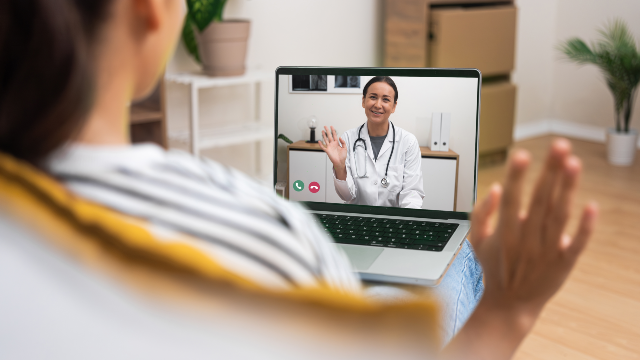
Virtual Consultation, which is Recommended for Initial Inquiry, starts with you emailing or WhatsApp-ing our consultation coordinator with photos of your skin concerns and your goals. Within 24 hours, we'll respond with available consultation times. We conduct video consultations via Zoom or Google Meet with your dermatologist. During this 30 to 45 minute call, the doctor assesses your skin, understands your goals, answers all questions, and discusses whether stem cell therapy is right for you. You'll receive a customized treatment recommendation and full pricing breakdown.
In-Person Consultation, which is If You're Already Planning a Seoul Trip, allows you to book an appointment during your planned visit. You'll meet with your assigned dermatologist at our Myeongdong location for a comprehensive consultation and skin analysis.
Cost: Both consultations are complimentary.
What You'll Need: Clear photos of your face, front sides, and close-up of concern areas, and honest answers about your medical history, medications, and aesthetic goals.
Contact Methods are Email, WhatsApp at clinic WhatsApp number, or Book Online at booking link. Typical Response Time is within 18 to 24 hours.
Step 2: Develop Your Customized Treatment Plan
After your consultation, you'll receive a Customized Treatment Plan Document detailing your specific goals, recommended protocol whether stem cell therapy alone or combined with complementary treatments, timeline for results, detailed cost breakdown, and answers to every question you asked.
Pre-Treatment Instructions cover medications to avoid, skincare prep, what to bring, what to expect on treatment day, and post-care protocols.
Booking Confirmation provides your scheduled appointment date and time, payment instructions, and traveler guidance including flights, accommodation, and visa information.
Ongoing Communication via email or WhatsApp with our coordination team answers any remaining questions.
Step 3: Prepare and Arrive in Seoul
Follow your pre-treatment instructions carefully. They're designed to optimize results and minimize side effects. We provide detailed guides on what to pack, what to do the day before treatment, and how to arrange transportation from your hotel to our clinic.
Most patients arrive in Seoul 1 to 2 days before treatment day to adjust to the time zone and prepare mentally. We can recommend hotels near Kleam Clinic Myeongdong.
On treatment day, arrive 15 minutes early. Our staff will guide you through every step. The procedure typically takes 30 to 60 minutes depending on treatment area and complexity.
📞 Phone:+1 551-370-7756 (WhatsApp)
🌐 Website: Kleam Clinic Myeongdong
💬 **WhatsApp: ** Click Here
📧 Email: Online Consultation Form
📍 Location: Myeongdong-gil, Jung-gu, Seoul, South Korea
🕐 Response Time: From Monday through Friday, the facility maintains consistent operating hours from 9:00am to 8:00pm. During the weekend, the schedule remains the same on both Saturday and Sunday, with the doors open from 9:00am to 6:00pm.
Frequently Asked Questions
1. Is Stem Cell Therapy The Same As What Celebrities Or Famous People Get?
Celebrities and high-profile individuals often combine stem cell therapy with other procedures including laser, fillers, and skin tightening for comprehensive results. What you're reading about celebrity skin often isn't stem cell therapy alone. It's an integrated approach. At Kleam Clinic, we customize protocols based on your specific goals, so you might use stem cell therapy as your primary treatment or combine it with other modalities. The science is the same whether you're a celebrity or not, but customization matters.
2. How Does The Cost Of Stem Cell Therapy At Kleam Clinic Myeongdong Compare To US Clinics?
Stem cell therapy for skin is rarely offered in the USA due to regulatory restrictions. Where it is offered, prices typically range from $5,000 to $10,000+ per treatment. At Kleam Clinic Myeongdong, comprehensive stem cell therapy typically ranges from $2,500 to $4,500 depending on treatment area and protocol complexity. Even accounting for travel costs including flights, hotel, and meals, you're looking at total investment of $4,500 to $7,000 versus $5,000 to $10,000+ in the US, plus you're getting superior expertise and technology.
3. Will My Results Look Obviously Treated Or Will They Look Natural?
One of stem cell therapy's greatest advantages is that results look natural. You're not adding foreign material like fillers or creating surface-level changes like laser. You're triggering your skin's own regeneration. Results appear as improved radiance, better texture, softer lines, and improved firmness, the kind of changes people attribute to glowing skin or healthy appearance, not treatment. People typically can't identify what you had done. They just notice you look fresher.
4. Can I Combine Stem Cell Therapy With Other Treatments?
Yes, and often strategically. At Kleam Clinic, we frequently combine stem cell therapy with laser treatments for enhanced collagen stimulation, dermal fillers for structural definition, or skin tightening procedures for lifting effect. The combination approach often delivers superior results than stem cell therapy alone. Your dermatologist will recommend the optimal combination based on your goals and skin analysis.
5. What Happens If I'm Not Satisfied With My Results?
During your consultation, we set realistic expectations carefully. Most patients are very satisfied. If you feel results don't meet expectations, you have options: additional session of stem cell therapy typically at reduced cost, complementary treatments including laser and fillers to address specific remaining concerns, or continuation of home-care protocol. Sometimes results continue improving beyond 6 months with proper maintenance. We work with you until you're satisfied. Your satisfaction is our priority.
6. How Long Before I Can Return To My Normal Routine?
Most patients resume normal activities within 3 to 5 days. Temporary redness and mild swelling typically resolve by day 7. You can wear makeup after day 3 to 5. You should avoid intense exercise, saunas, and extreme sun exposure for 1 to 2 weeks. Specific activity restrictions depend on your treatment area. Your post-care instructions will be detailed. Virtual follow-up at day 7 allows us to assess your healing and clear any concerns.
7. Do I Need Multiple Sessions Of Stem Cell Therapy?
Many patients see excellent results from a single session. Some benefit from a second session 6 to 12 months later to optimize or refresh results. Others combine stem cell therapy with complementary treatments including laser and fillers in a single comprehensive visit. Your dermatologist will recommend the optimal approach for your specific goals. You don't necessarily need multiple stem cell sessions. It depends on your goals and results achieved.
8. Is There A Specific Age I Should Be At To Get Stem Cell Therapy?
Stem cell therapy works across a wide age range, typically 30s to 60s+, because it addresses the cellular basis of aging that affects all ages. In your 30s, it prevents and delays aging. In your 40s to 50s, it reverses visible aging. In your 60s+, it restores youthful skin quality. We recommend against stem cell therapy in your 20s because aging hasn't yet occurred, or in cases of very mild concerns that topical products might adequately address. Your consultation determines if now is the right time for you.
9. Will I Need To Return To Korea For Maintenance Or Follow-Up?
No. We provide comprehensive virtual follow-up for 12 months post-treatment via video consultation. If you want to refresh results or explore additional procedures, you could plan another Seoul trip in 12 to 18 months. Many satisfied patients do. But ongoing maintenance can be managed at home with proper skincare, and you don't need to return for standard follow-up.
10. What Medical History Would Disqualify Me From Stem Cell Therapy?
Relative contraindications include severe immunosuppression, uncontrolled diabetes, severe bleeding disorders, active skin infection, or pregnancy. We screen for all of these during consultation. Most patients are perfectly suitable candidates. If you have specific medical conditions, discuss them during your consultation. We'll provide clear guidance on whether stem cell therapy is safe for you.
Conclusion
Stem cell therapy represents a scientifically validated, evidence-based approach to skin rejuvenation that works fundamentally differently from surface-level treatments. Clinical research spanning 15+ years demonstrates consistent improvements in skin texture, elasticity, radiance, and youthful appearance with a safety profile comparable to or better than alternative procedures. Korea has emerged as the global leader in stem cell therapy innovation due to regulatory environment, research infrastructure, clinical volume, and integration with advanced technology. Kleam Clinic Myeongdong embodies this leadership through a world-class dermatology team, state-of-the-art technology, rigorous clinical protocols, unparalleled international patient experience, and genuine commitment to long-term patient care and satisfaction.
When you choose stem cell therapy at Kleam Clinic Myeongdong, you're choosing a treatment backed by clinical science, delivered by board-certified dermatologists with extensive expertise, supported by rigorous safety protocols, and followed by comprehensive long-term care, whether you're local to Seoul or traveling from New York, Los Angeles, Chicago, Houston, or Miami.
Ready to experience the regenerative potential of stem cell therapy? **Schedule your complimentary virtual consultation with our dermatology team today **. We'll assess your skin, discuss your goals, answer every question, and help you determine if stem cell therapy is the right choice for you. Contact us via email, WhatsApp, or our online booking system to get started.
About the Author
Dr. Hyeon-ok Kim, MD, is a highly accomplished board-certified dermatologist who currently serves as the Director of Regenerative Medicine at Kleam Clinic Myeongdong. A graduate of the Ulsan University College of Medicine, she completed her residency at the prestigious Seoul Asan Medical Center and furthered her expertise through international training at the University of North Carolina at Chapel Hill. With between 15 and 20 years of clinical experience, Dr. Kim has performed over 5,000 aesthetic and regenerative procedures. She is a certified expert in advanced treatments including Ultherapy, Thermage FLX, and Rejuran, specializing in advanced skin lifting, rejuvenation, and regenerative therapy. Her professional standing is reflected in her active memberships with the Korean Dermatological Association and the International Society of Aesthetic Dermatology.
For consultations: | +1 551-370-7756 (WhatsApp) | Online Consultation Form | WhatsApp.
More Articles
Continue reading expert dermatology insights from Kleam Clinic Myeongdong.

Seoul Medical Tourism: Why Thermage FLX 4.0 Leads the Lifting Niche
Driven by a culture of precision and a "high-tech" approach to aging, South Korea has emerged as a global leader in non-surgical rejuvenation. A recent market report indicates that the South Korean medical tourism...
Learn More

Titanium Lifting Efficacy: 85% Skin Tightening in Korean Studies
The demand for non-invasive aesthetic procedures in South Korea has seen exponential growth, driven by a patient demographic that prioritizes immediate visibility, safety, and zero downtime. According to a Korean...
Learn More
Laser Toning for Skin: Complete 2026 Guide
Discover laser toning for skin in this complete 2026 guide. Learn benefits, costs, results, and how it treats pigmentation, melasma, and uneven skin tone safely.
Learn More